


Submit a poem and come and read it at the exhibition …
As part of the Perth Poetry Festival, NUCLEAR LANDSCAPES is staging a call out for ekphrastic poems in response to photographs and themes from the exhibition. The poems should be no more than 80 lines in length and relate directly to imagery or events depicted within the exhibition. Six poems will be selected from the submissions and the authoring poets invited to read their works at the gallery during an afternoon panel discussion and poetry recital on Sunday 28 September.
Following are additional images from the series along with some atomic related stories that could potentially serve as inspiration.
Use the form at the bottom of the page to submit your poem. Six poems will be selected for a reading at the gallery on Sunday 28 September. Selected readers will be paid a reading stipend. The event is part of the Perth Poetry Festival and generously supported by WA Poets Inc.
Entries close at midnight on Monday 8 September
Some Atomic Themes and Stories …
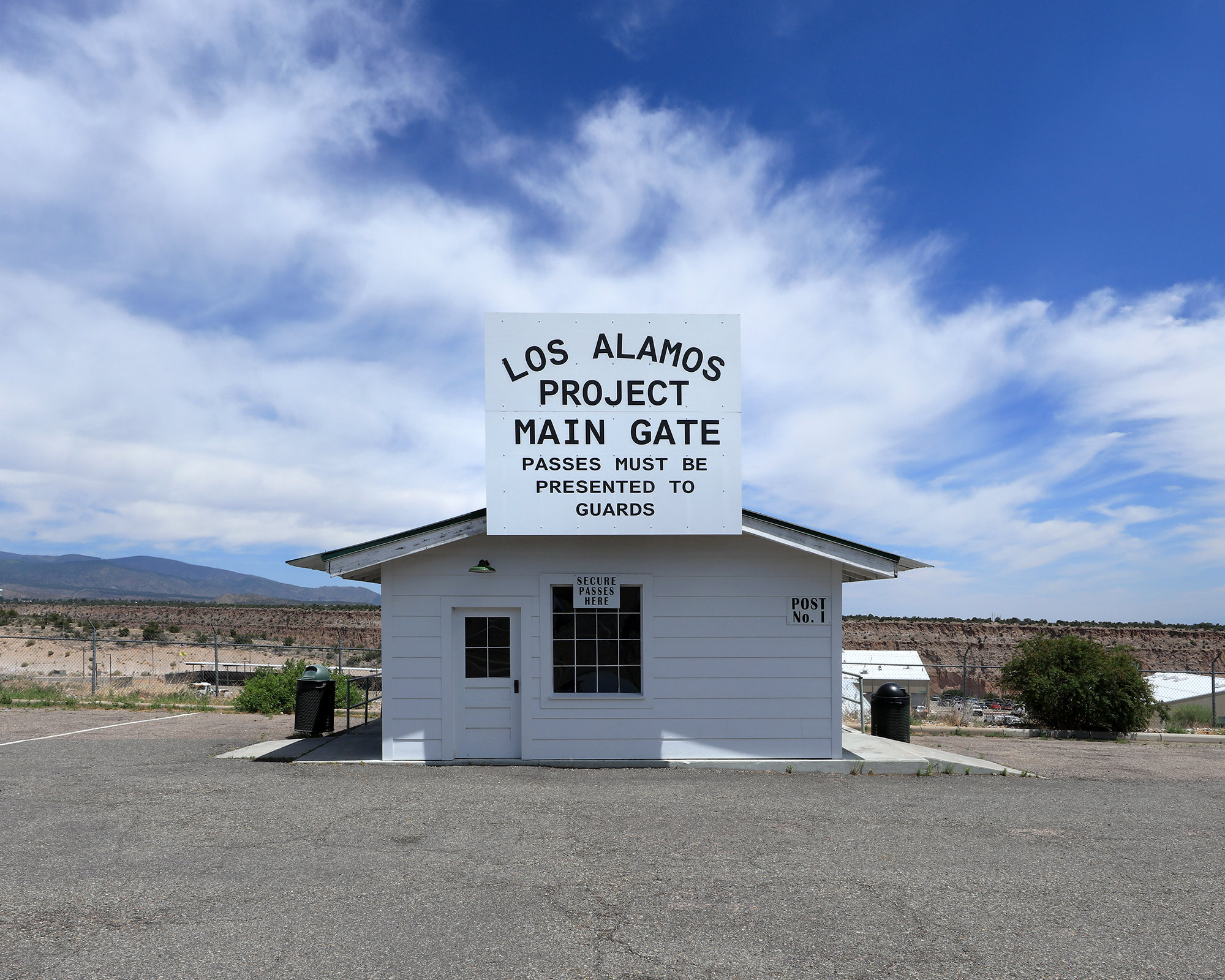
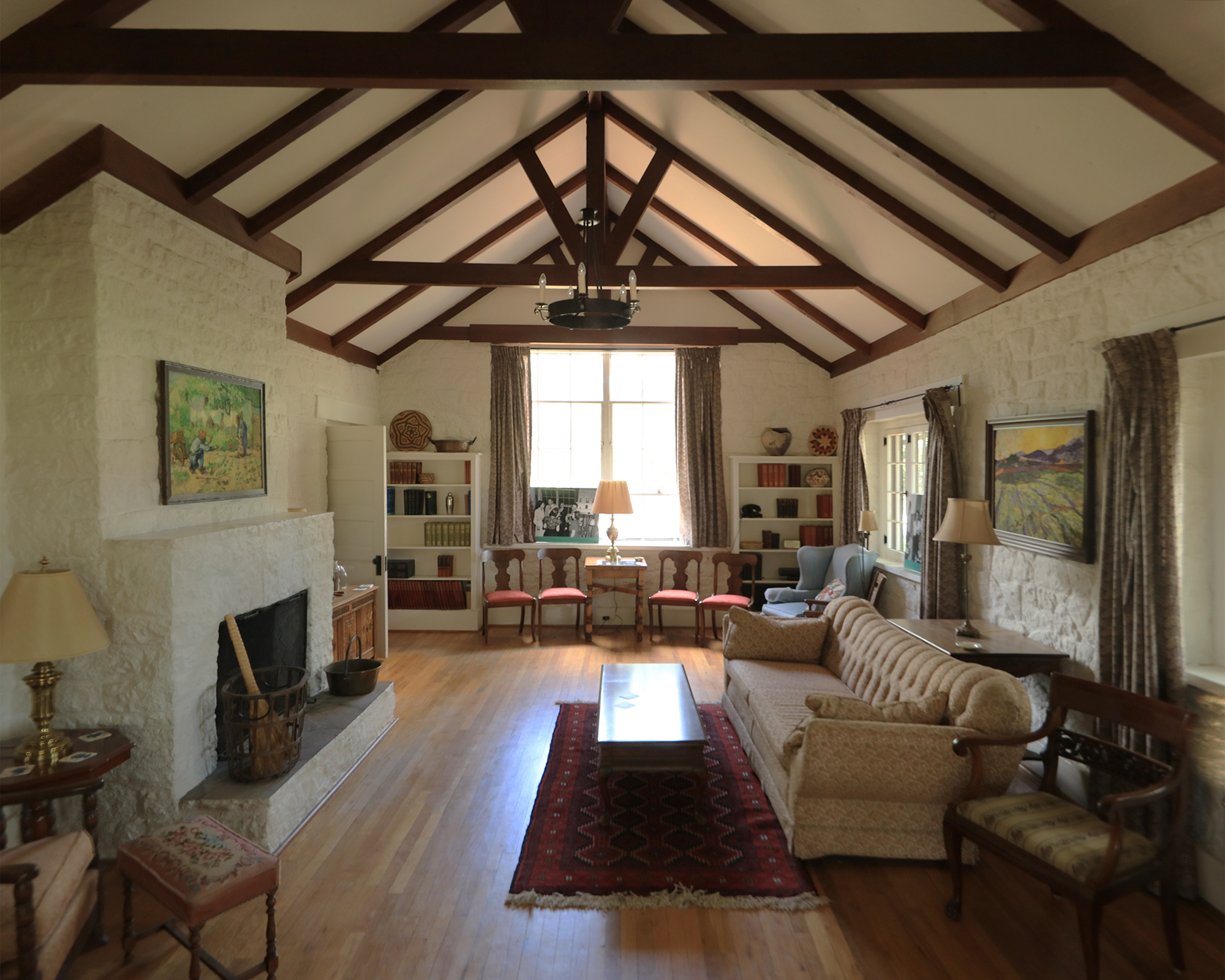
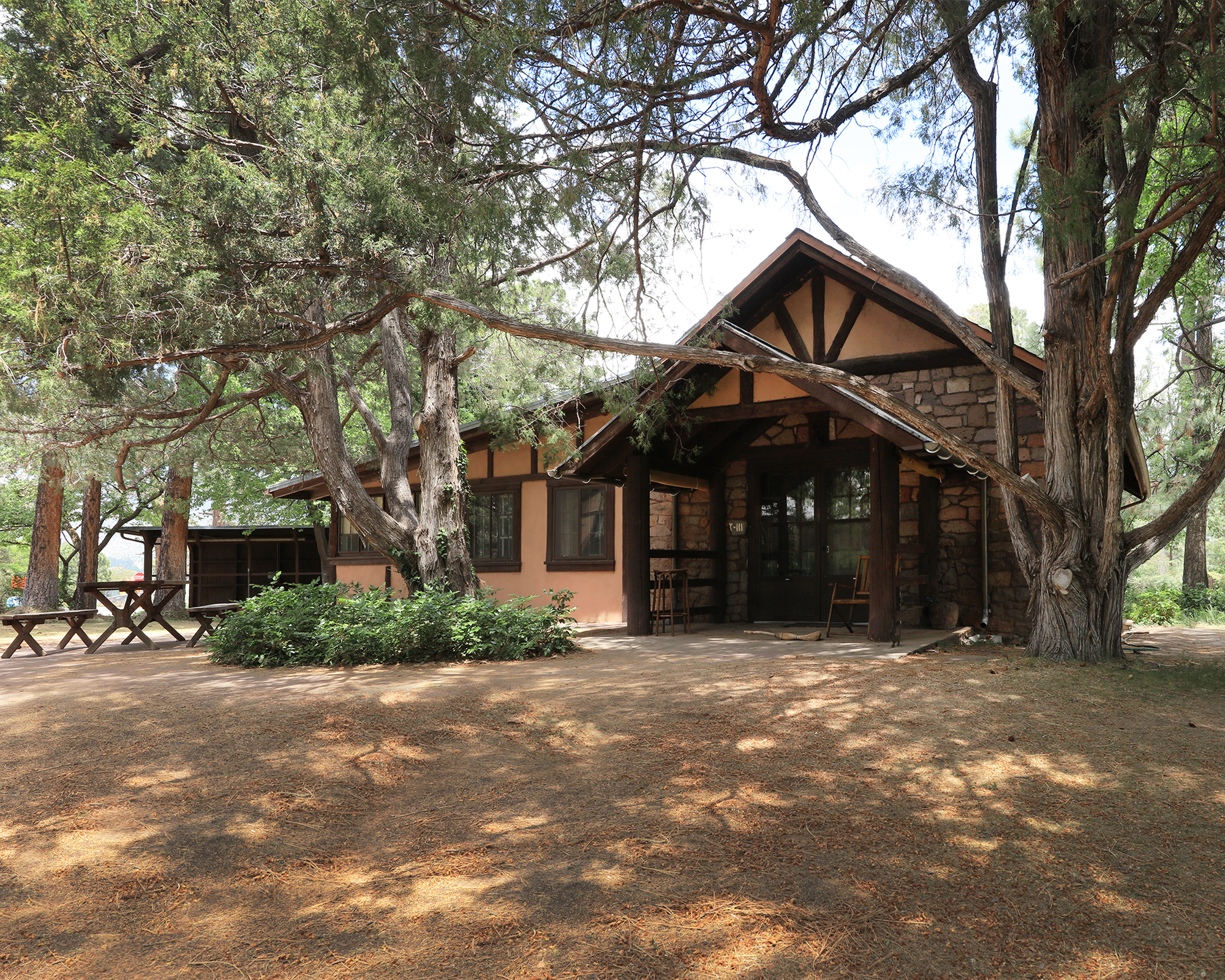
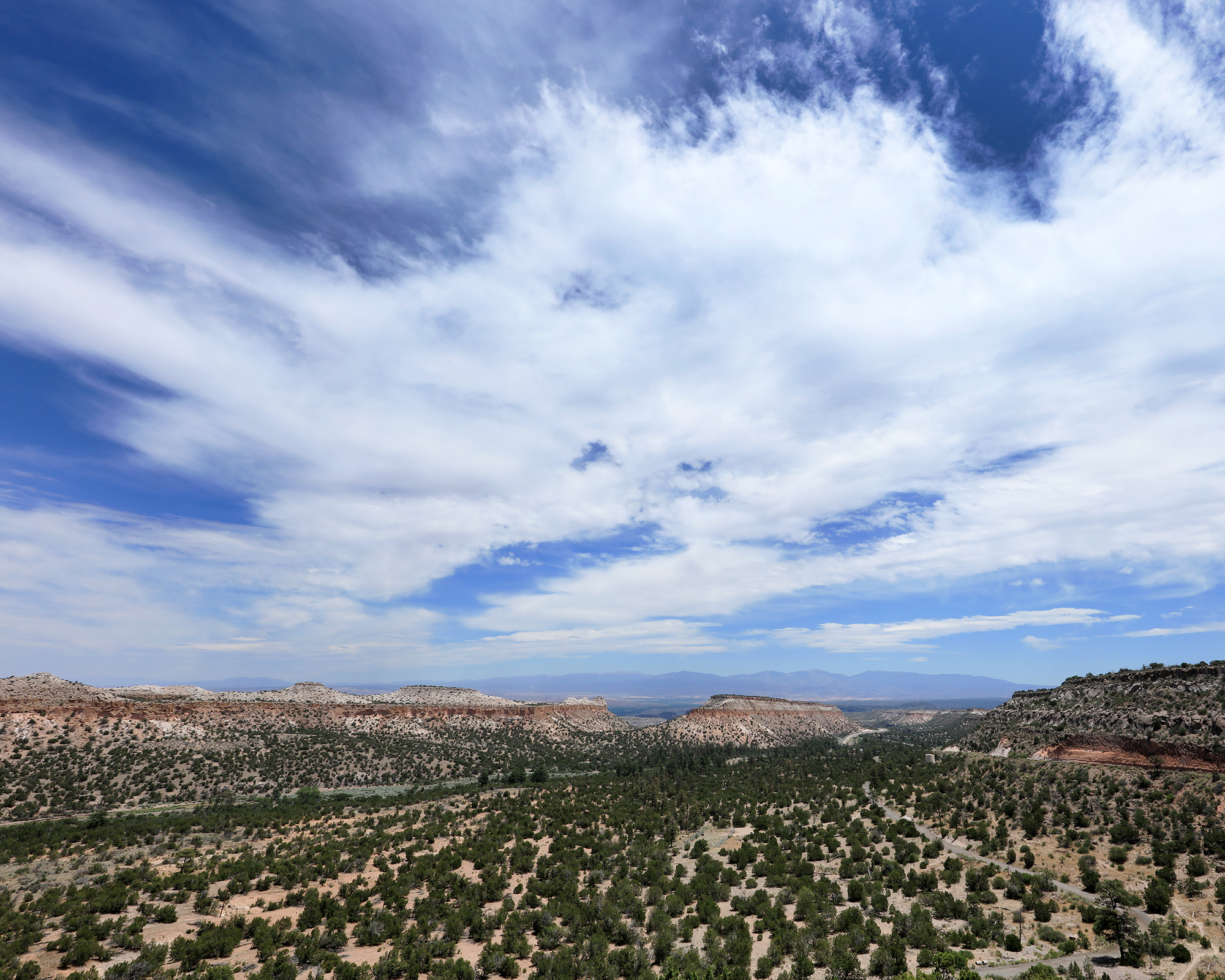
A secret city in New Mexico’s mountains
Spread across four mesas of New Mexico’s Pajarito Plateau, Los Alamos was established as a secret site for the development of the atomic bomb. Indigenous inhabitancy of the area dates back to 1150 AD with the first settlers on the plateau thought to be Keres speaking Native Americans around the 10th century. In the late 19th century, homesteaders utilized the land for ranching with the Los Alamos Ranch School subsequently founded in 1917. During World War II, in 1943, the United States Department of War exercised eminent domain over the Ranch School and surrounding homesteads so that the isolated plateau could be used as part of the secretive Manhattan Project for the development of the world’s first nuclear weapons. Under the direction of Brigadier General Leslie Richard Groves Jr., in October 1942 J Robert Oppenheimer was recruited to establish and direct a secret weapons laboratory. Oppenheimer selected Los Alamos as the site for the laboratory. Los Alamos was originally built as a closed city accessible from the outside world through two gates. The specific location of the project was a tightly guarded secret. All employees recruited to work at the Los Alamos site were given a memorandum instructing them to travel to Santa Fe and report to the U.S. Army Corps of Engineers office at 109 East Palace Avenue. There, Dorothy McKibbin provided newcomers with the necessary documentation to get through security checkpoints, initially letters signed by J. Robert Oppenheimer himself, along with specific directions to the site. In the years after World War II, the laboratory was formally established as a research government facility under the civilian control of the U.S. Atomic Energy Commission. It is now known as Los Alamos National Laboratory.
John Wayne and Dirty Harry
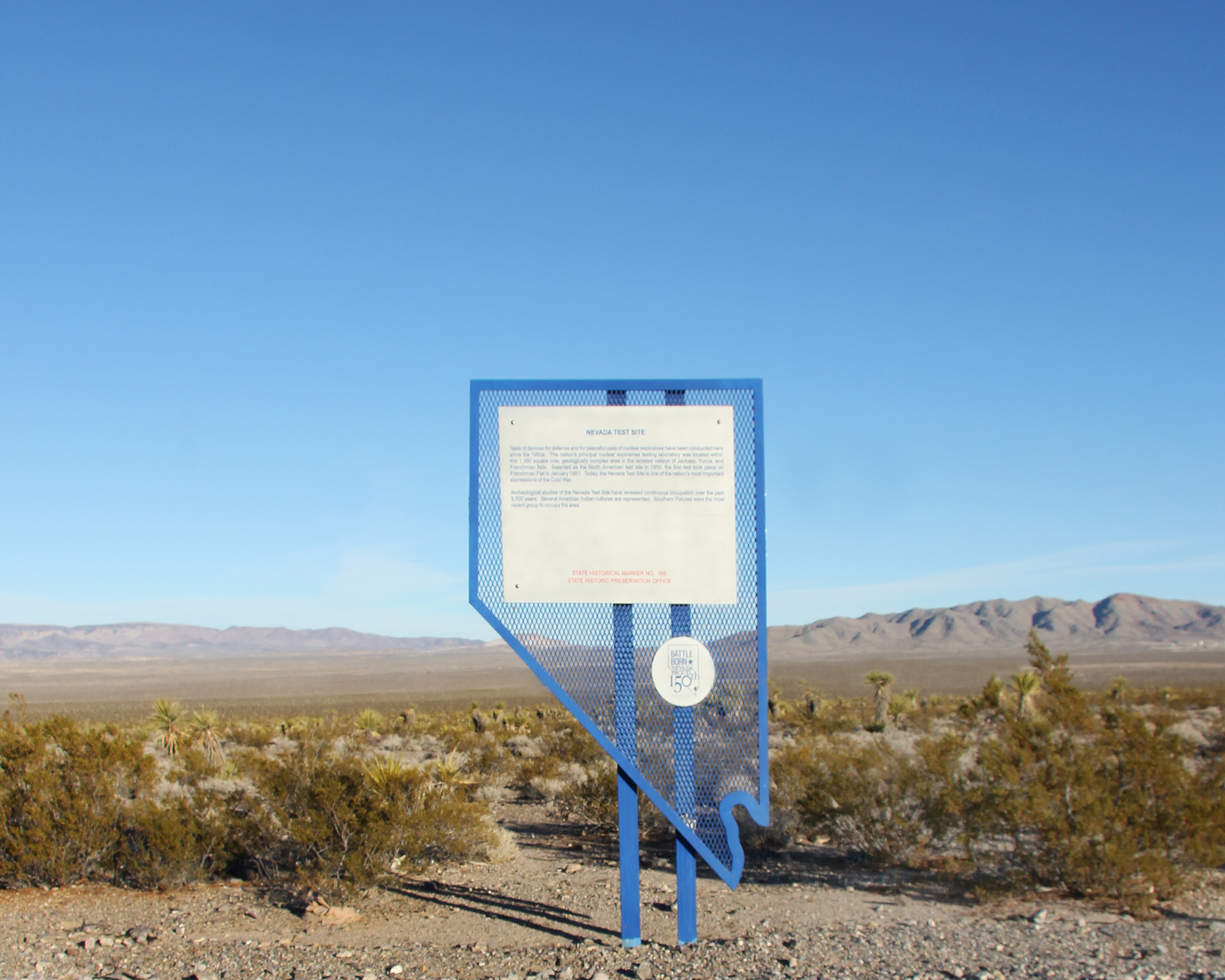
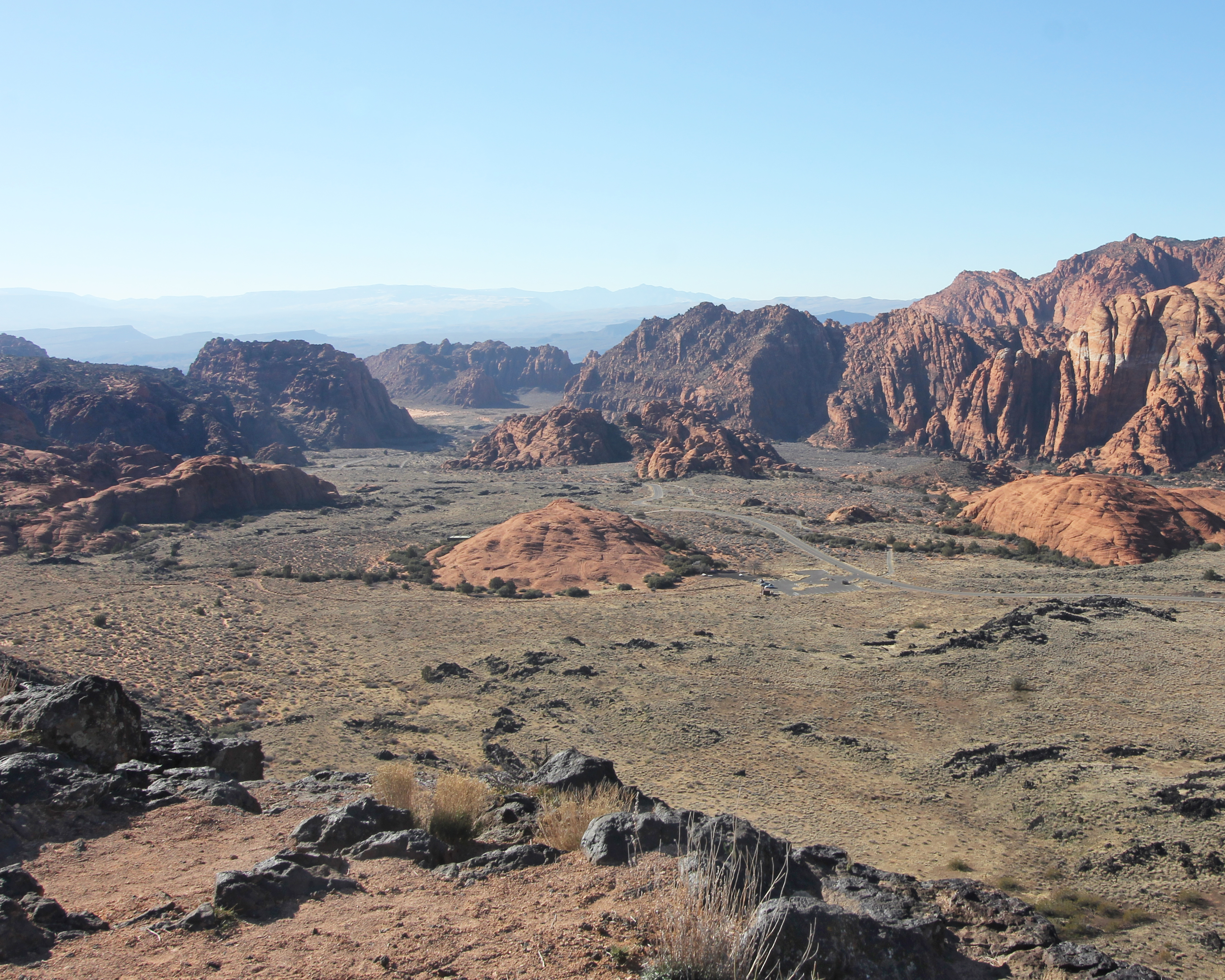
At 4:05 a.m. on May 1953 an atmospheric atomic test was conducted at Yucca Flat in the Nevada Test Site as part of Operation Upshot–Knothole. Codenamed Harry, the 32kT detonation was a nuclear weapons test of a pure fission device. Due to a miscalculation and change in wind-direction the test released an unusually large amount of fallout, much of which subsequently accumulated in the vicinity of St. George, Utah. Two years after the blast, Howard Hughes filmed the motion picture The Conqueror in St. George’s Snow Canyon. Hughes additionally shipped 60 tons of dirt back to Hollywood in order to match the Utah terrain and lend realism to studio reshoots.. Of the 220 cast and crew, by the end of 1980 over 91 people who had worked on the film had contracted cancer. Of those 46 had died of the disease, including the film’s stars John Wayne and Susan Hayward. The fallout was the the highest of any test conducted on the continental U.S. earning the test the moniker of Dirty Harry. Many suspected that filming in Utah and surrounding locations was to blame for the cancer cluster as many who developed disease did so at a significantly younger age than average.


The first town to be powered by atomic energy
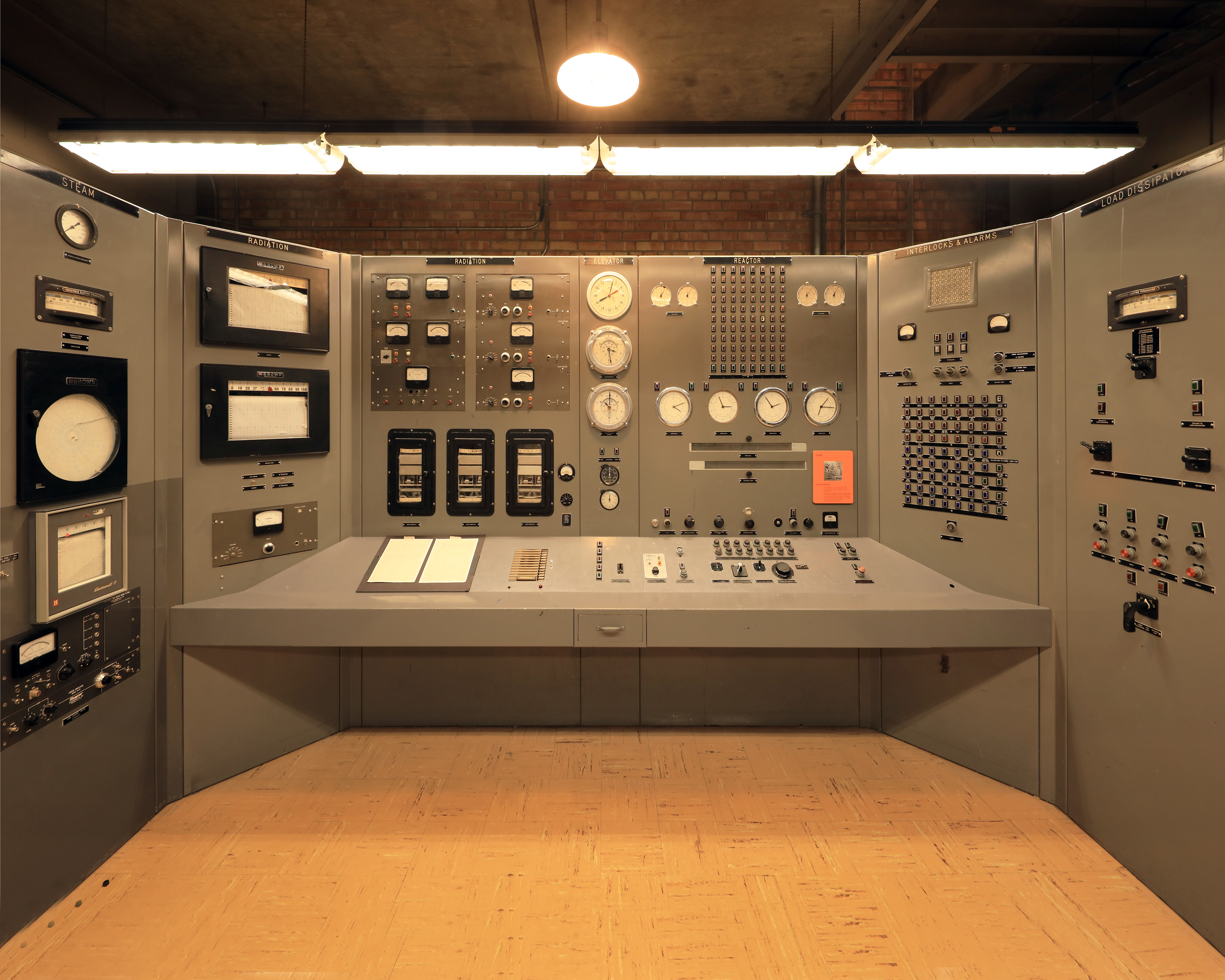
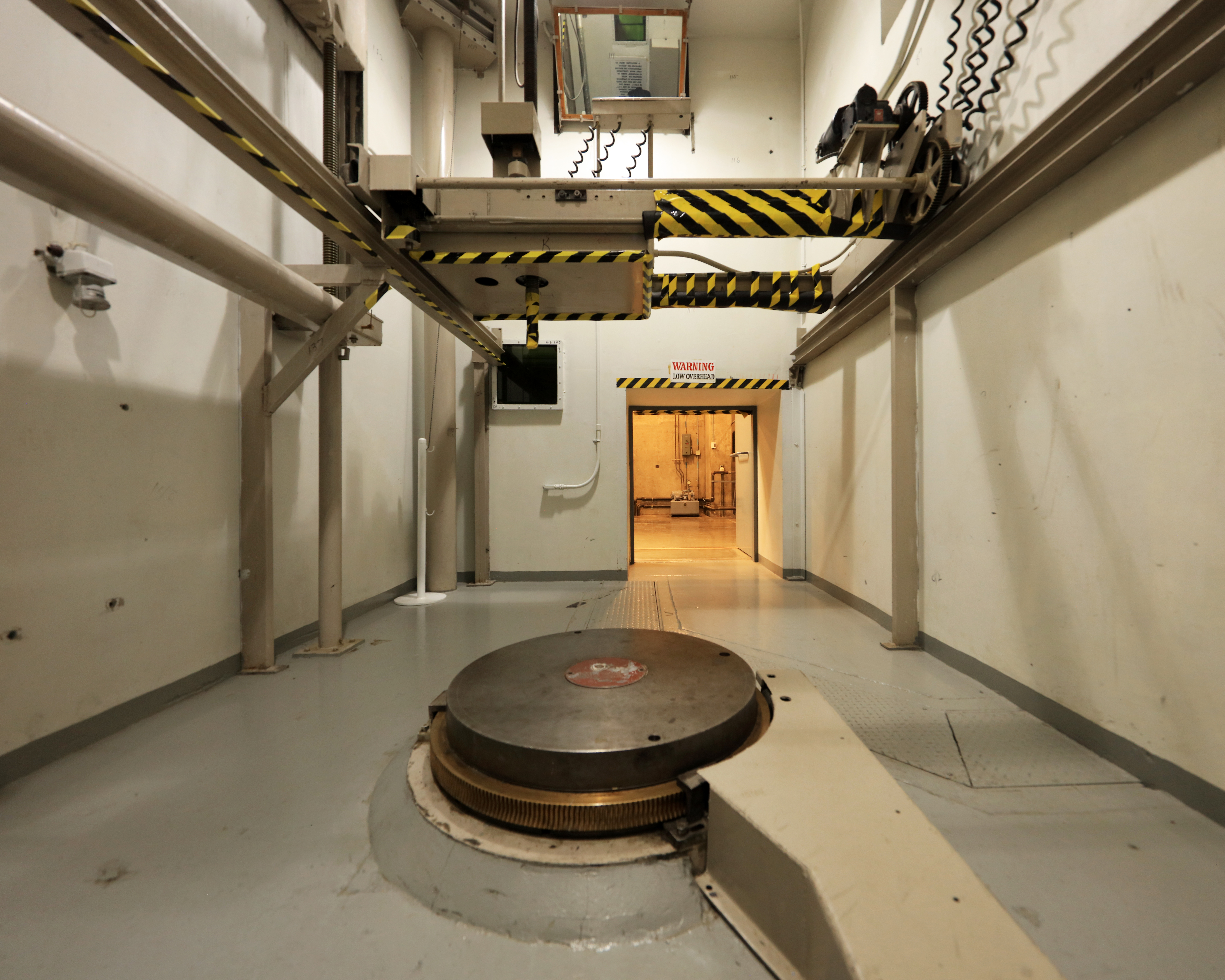
At 1:50 p.m. on December 20, 1951, Idaho’s Experimental Breeder Reactor I became one of the world’s first electricity-generating nuclear power plant when it produced sufficient electricity to illuminate four 200-watt light bulbs. Four years later, the nearby town of Arco became the first community in the world to be lit using electricity generated solely by nuclear power. For approximately one hour the town’s conventional power, supplied by the Utah Power and Light Company, was replaced by nuclear power from the Argonne National Laboratory’s BORAX-III reactor located at the nearby National Reactor Testing Station (now the Idaho National Laboratory). At the end of the test, the town’s conventional electricity service was restored.
Wendover and the atom bomb
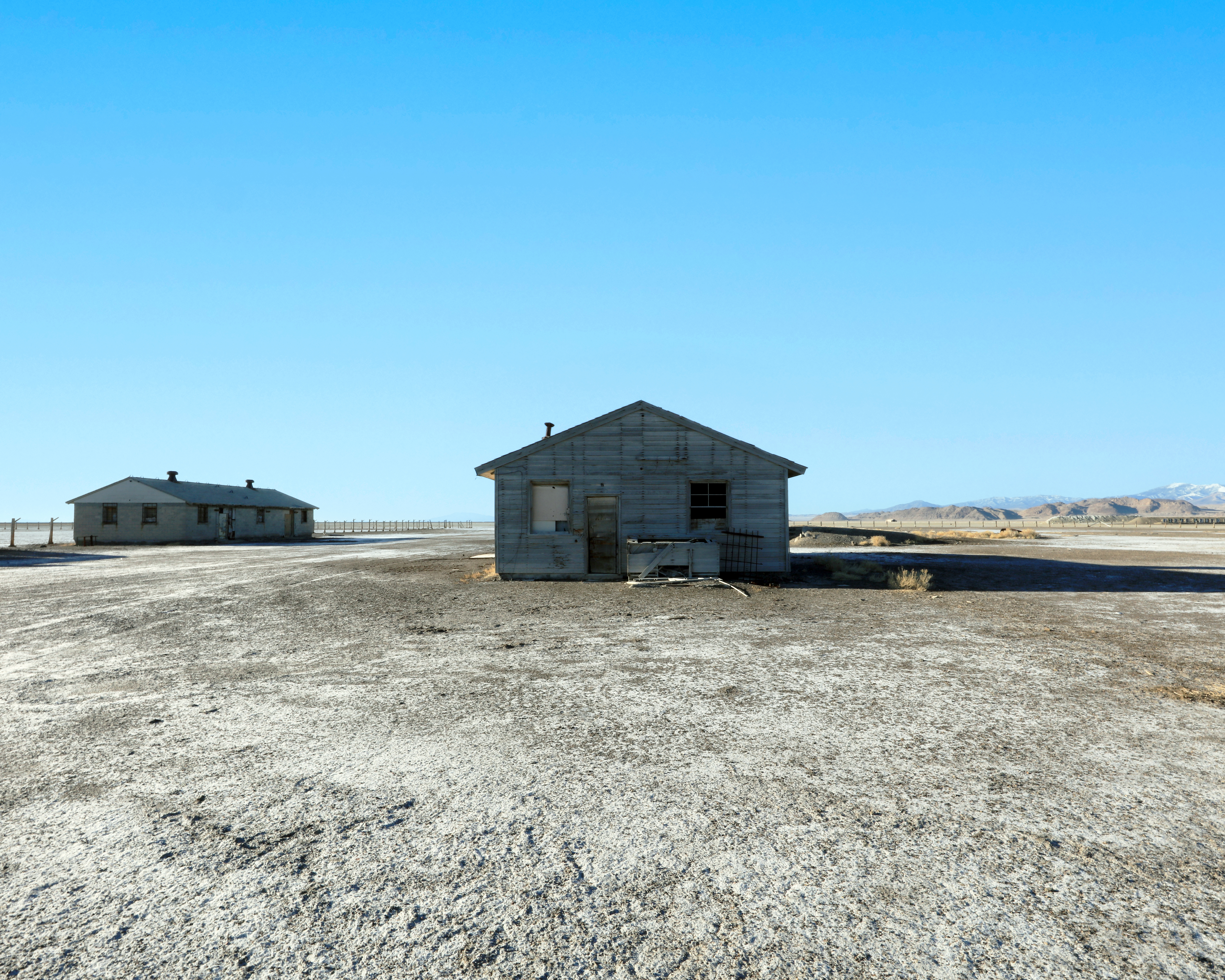
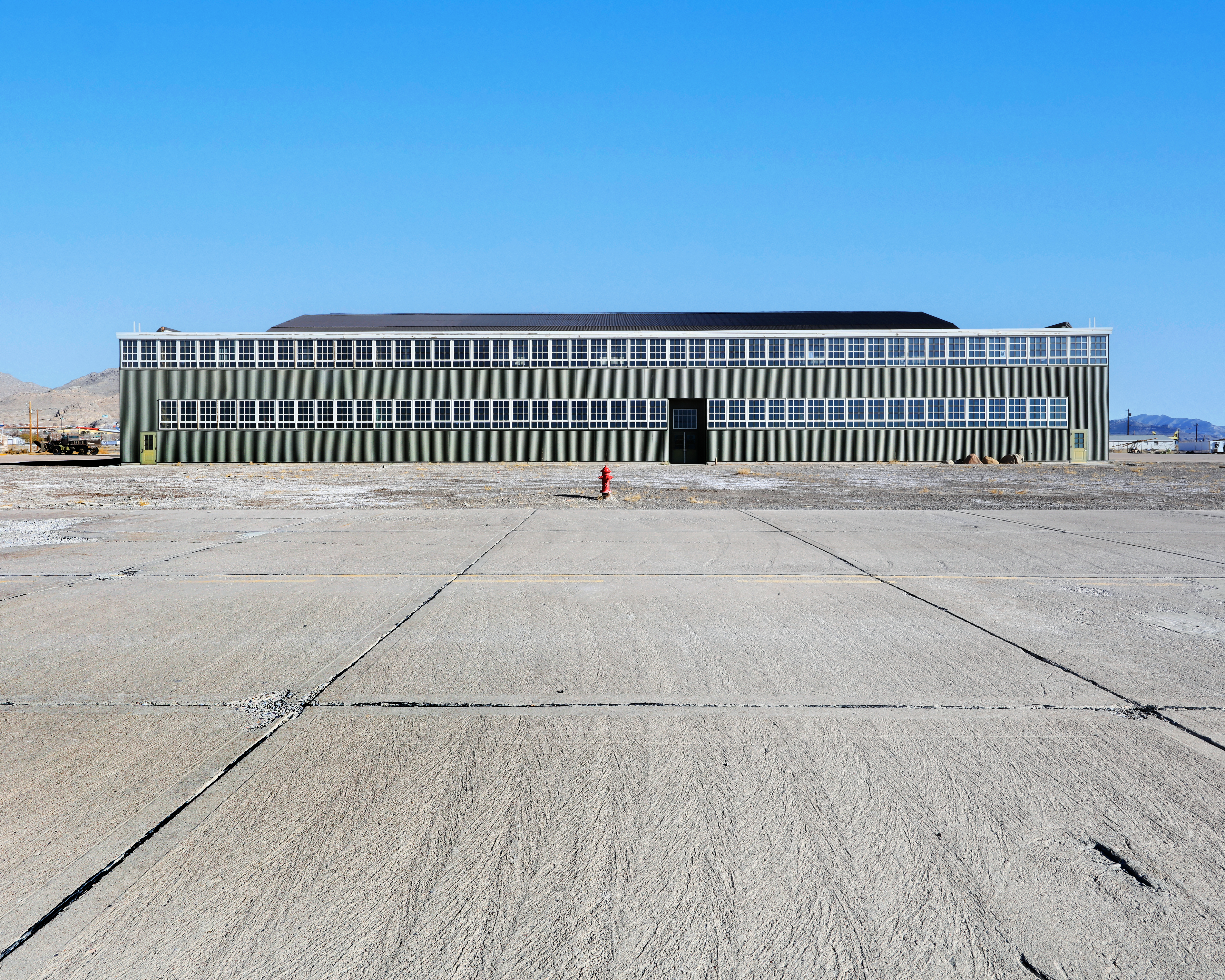
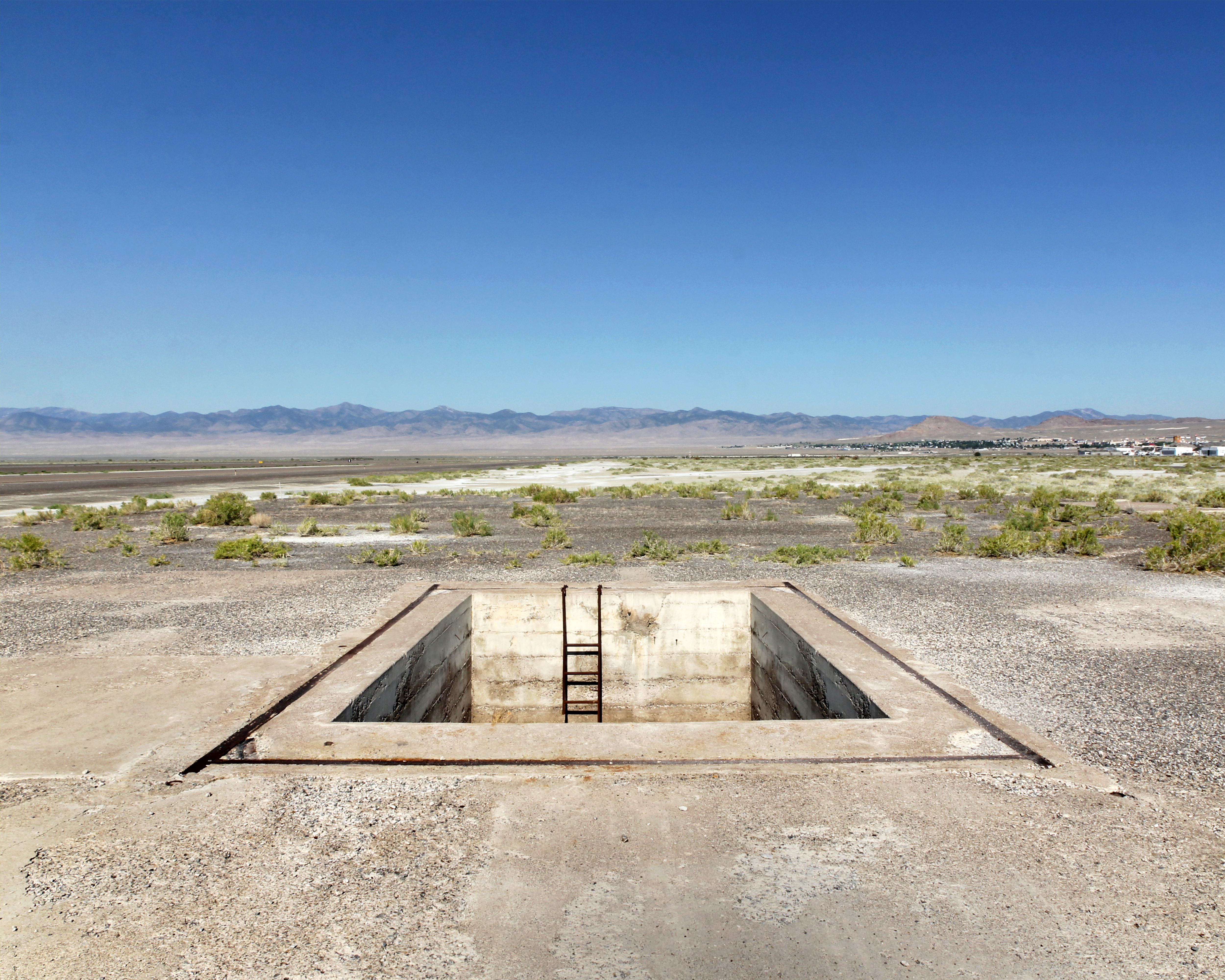
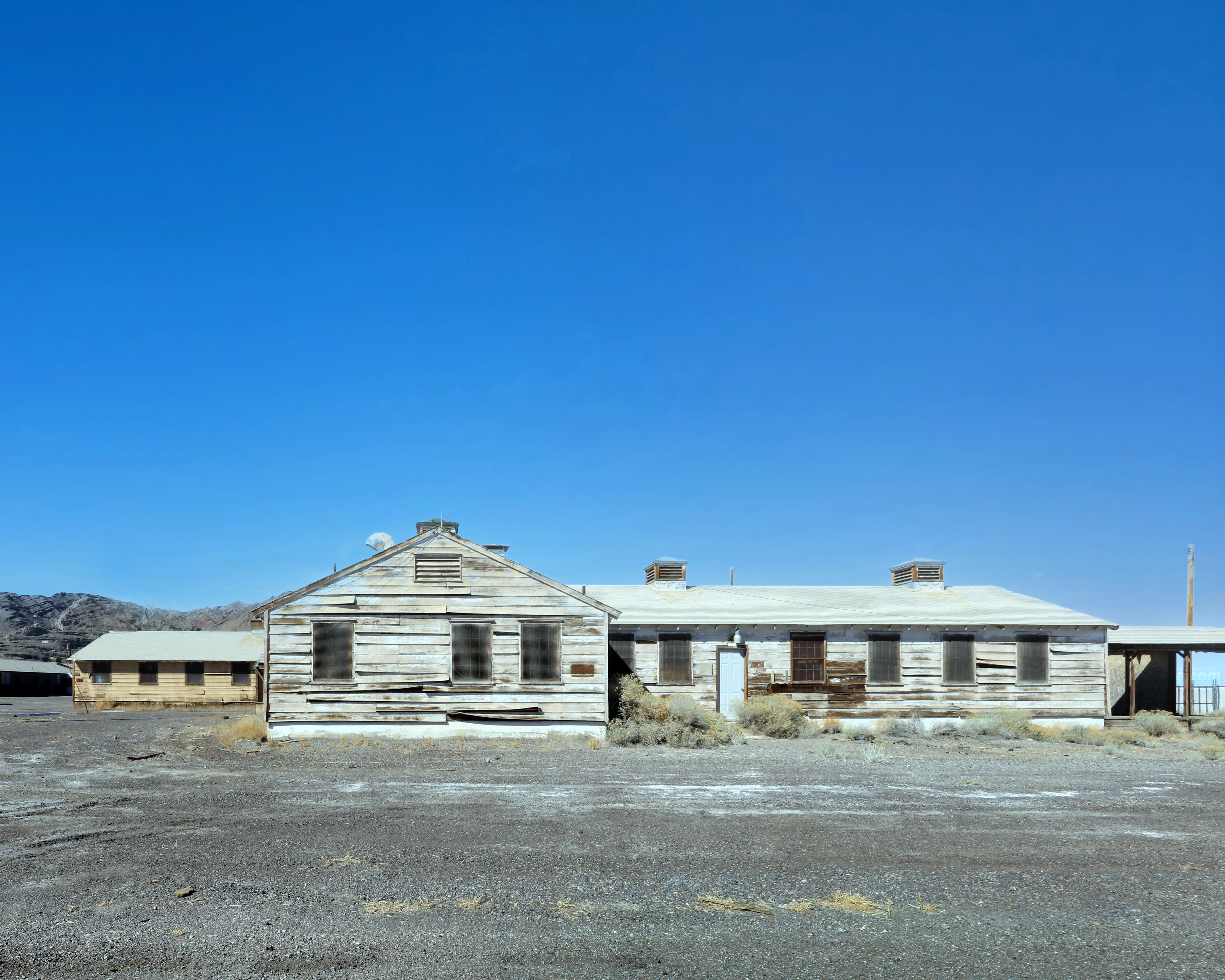
Wendover Air Force Base was the training site of the 509th Composite Group, the Boeing B-29 Superfortress unit that carried out the atomic bombings of Hiroshima and Nagasaki. In 1944, the 216th Army Air Forces Base Unit constructed prototype atomic weapons at Wendover. With the flight characteristics and fusing mechanism operations of these prototype designs – known as pumpkin bombs – still largely unknown, in February 1945 five aircraft from the group formed the Flight Test Section to test prototype weapons in the shape of the Little Boy and Fat Man bombs that would be dropped on Hiroshima and Nagasaki. The aircrews trained continuously with each bombardier completing at least 50 practice drops of inert bombs before the group was declared combat-ready. The group then flew 51 combat missions over Japan, dropping high explosive pumpkin bombs over many targets. These were filled with 6,300 pounds of Composition B high explosive.
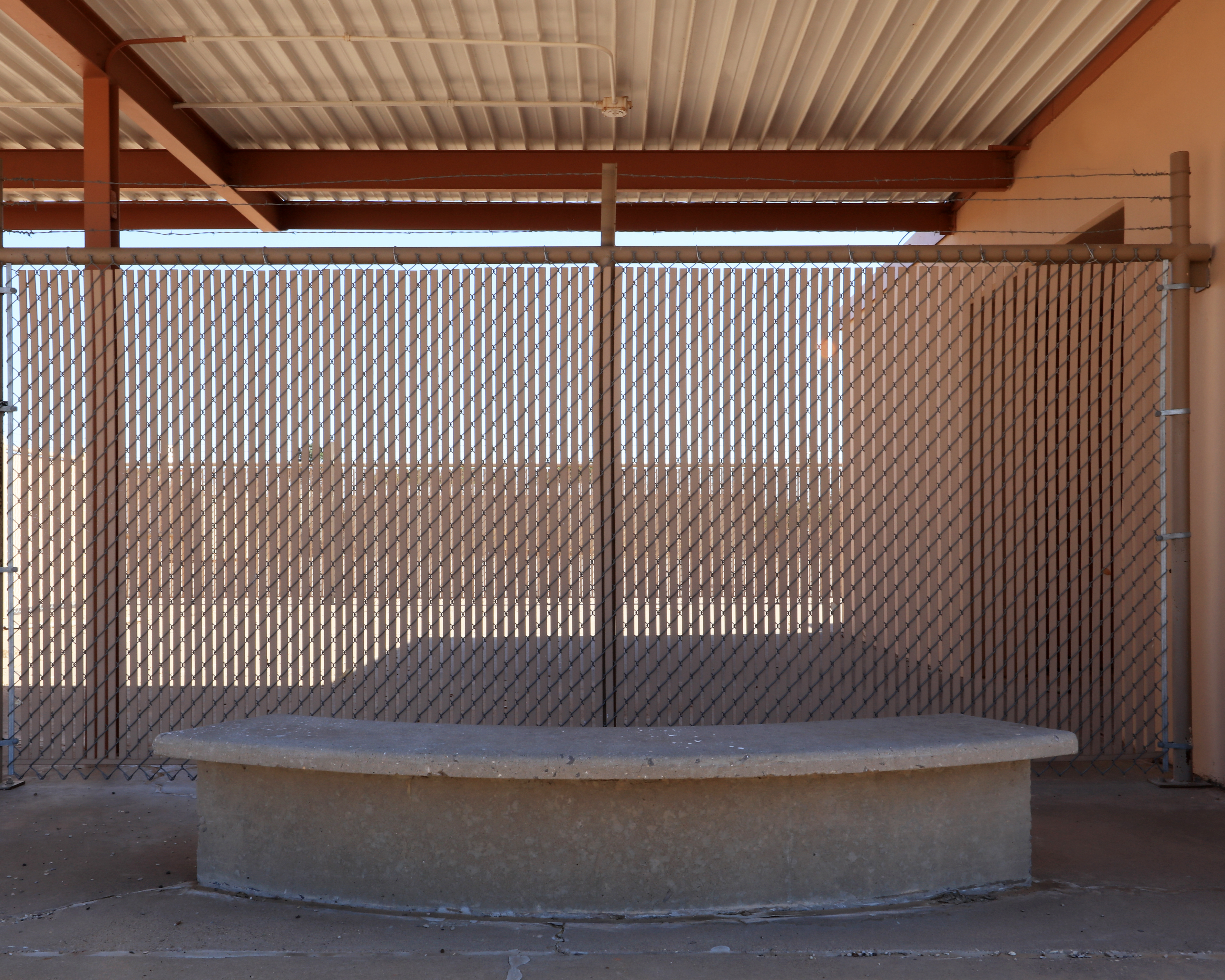
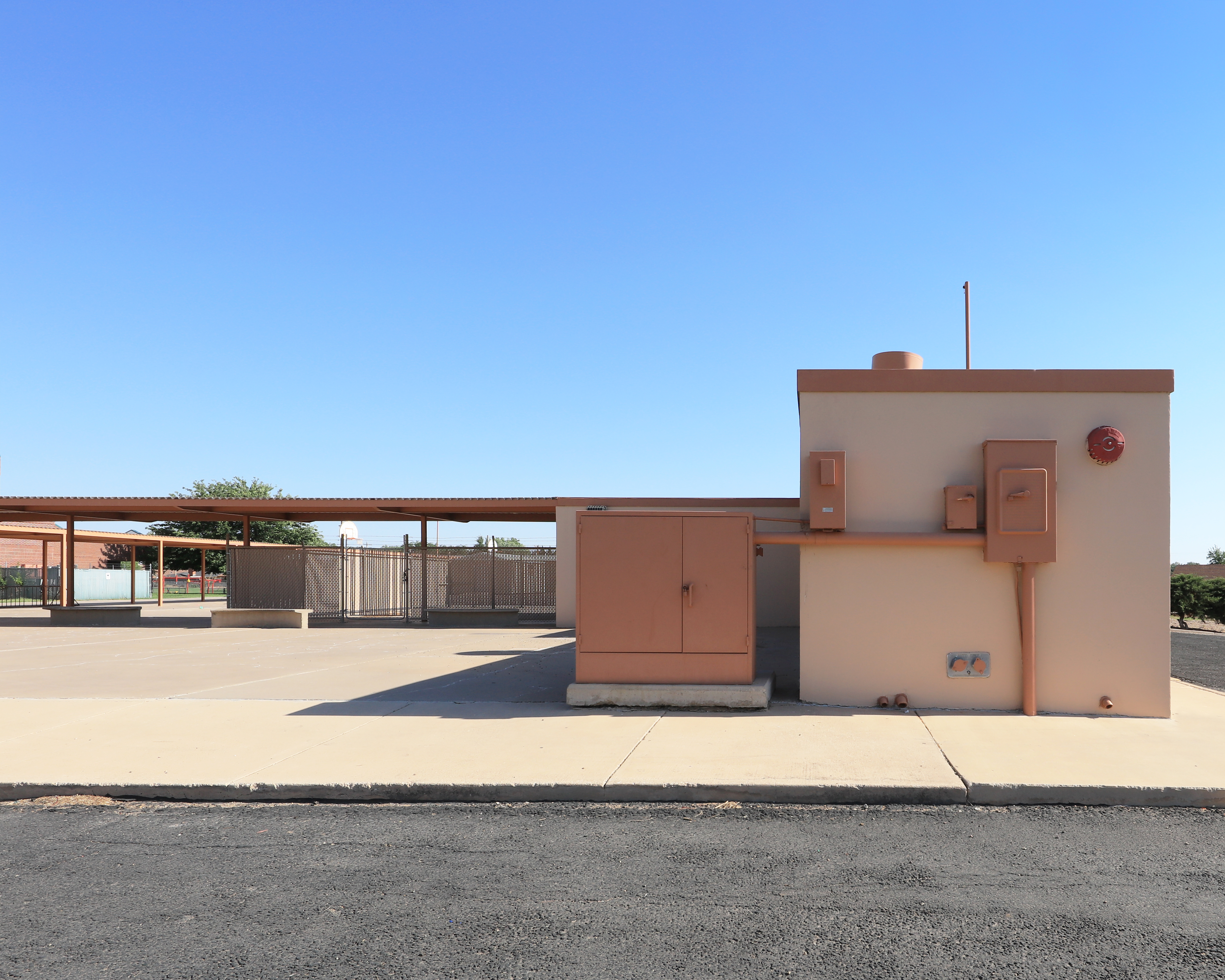
An underground elementary school that was built as a fallout shelter
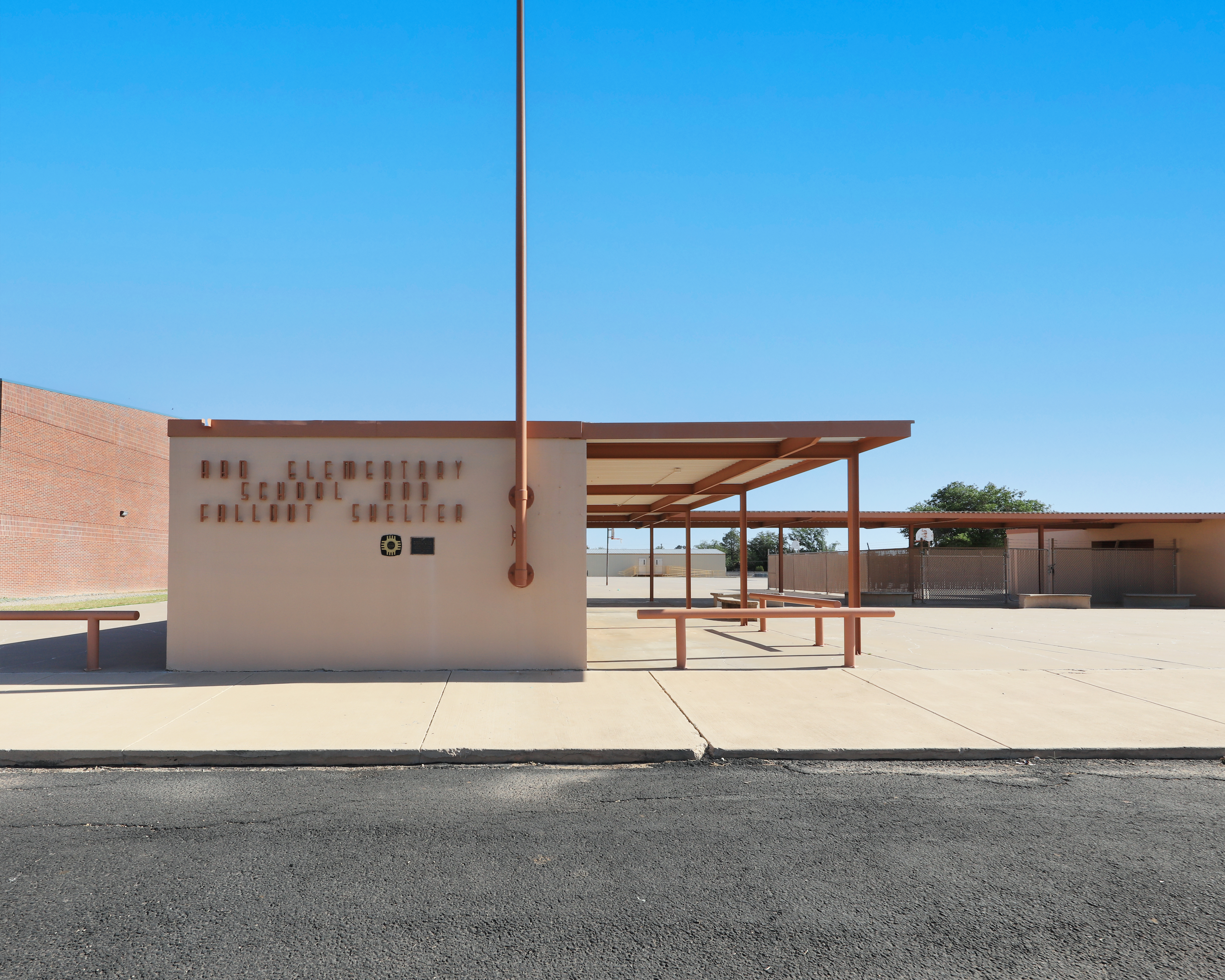
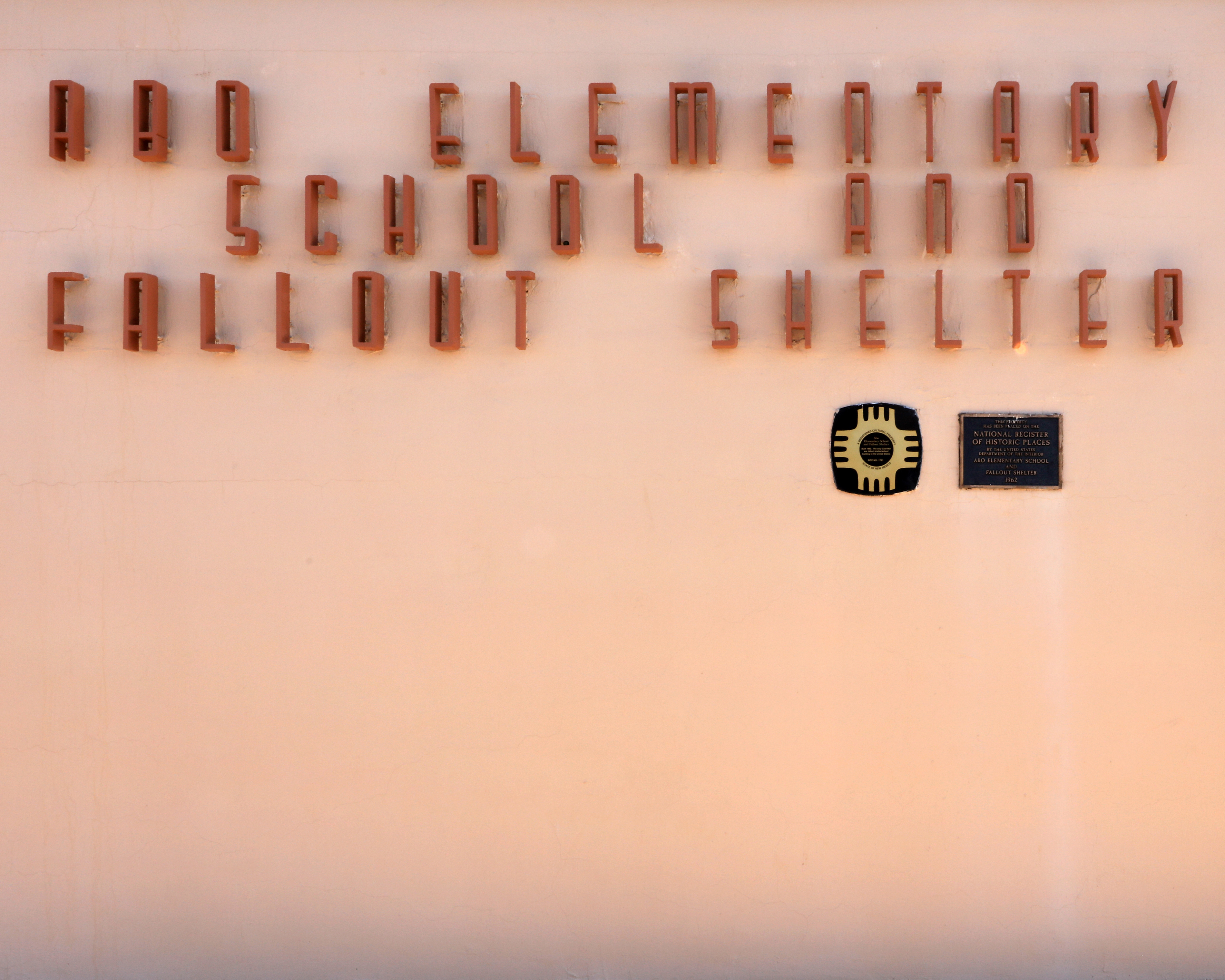
Located in Artesia, New Mexico, the Abo Elementary School was the first public school in the United States to be constructed entirely underground and equipped to serve as an advanced fallout shelter. Completed in 1962, the school was situated under a reinforced concrete slab that doubled as the school’s playground. The facility contained a large storage facility equipped with emergency rations and supplies for up to 2,160 people in the event of an incoming nuclear strike. Reinforced cast concrete walls and posts were constructed to supportthe 21-inch thick concrete slab roof. Heavy steel doors, designed to hold up under a nuclear explosion, were placed inside the three above ground entrances. Various educational experts visited the school during the 1960s, including noted Saint. Louis researcher, Frank Lutz, and concluded that students at the subterranean school performed as well academically as their counterparts in above ground schools.

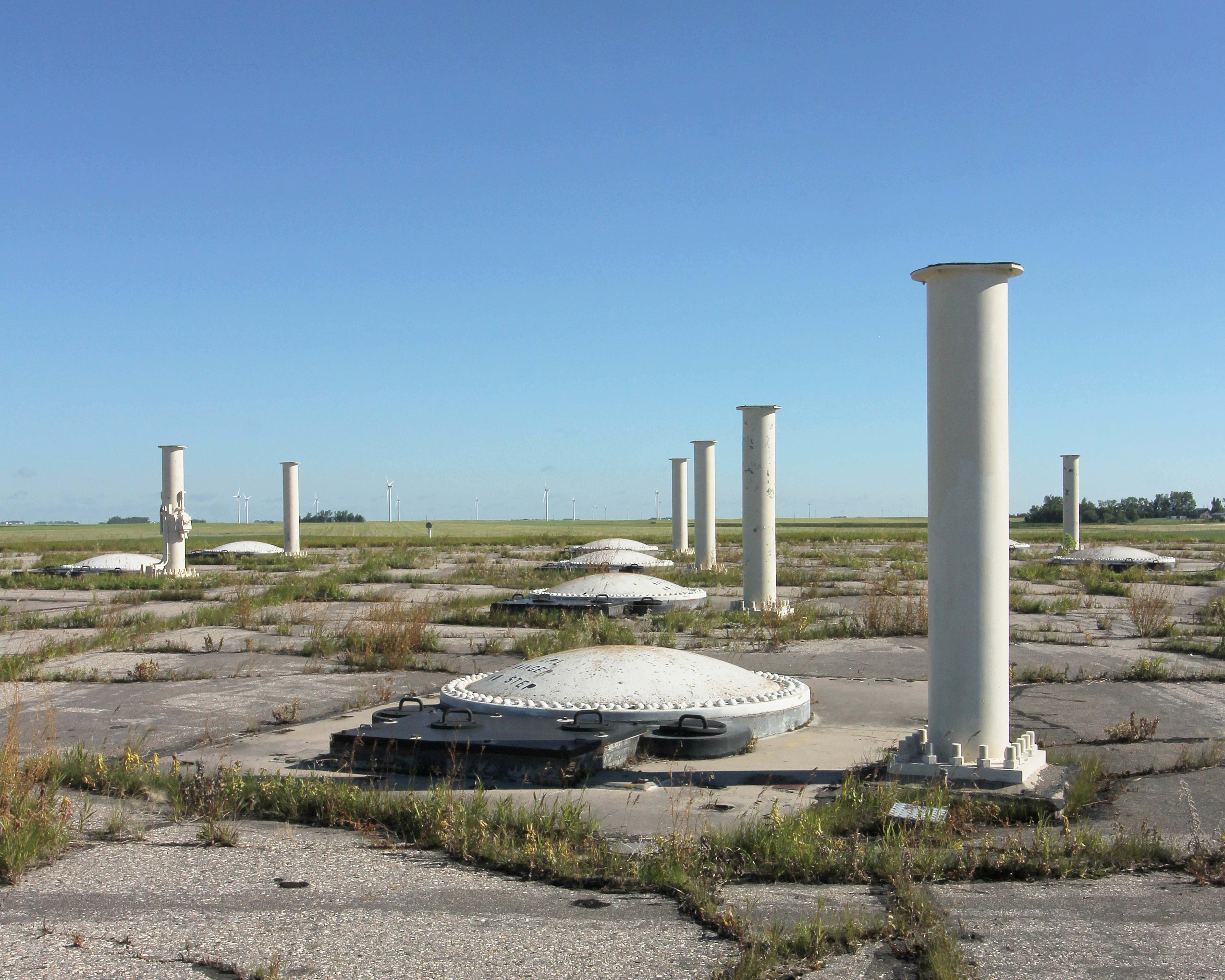

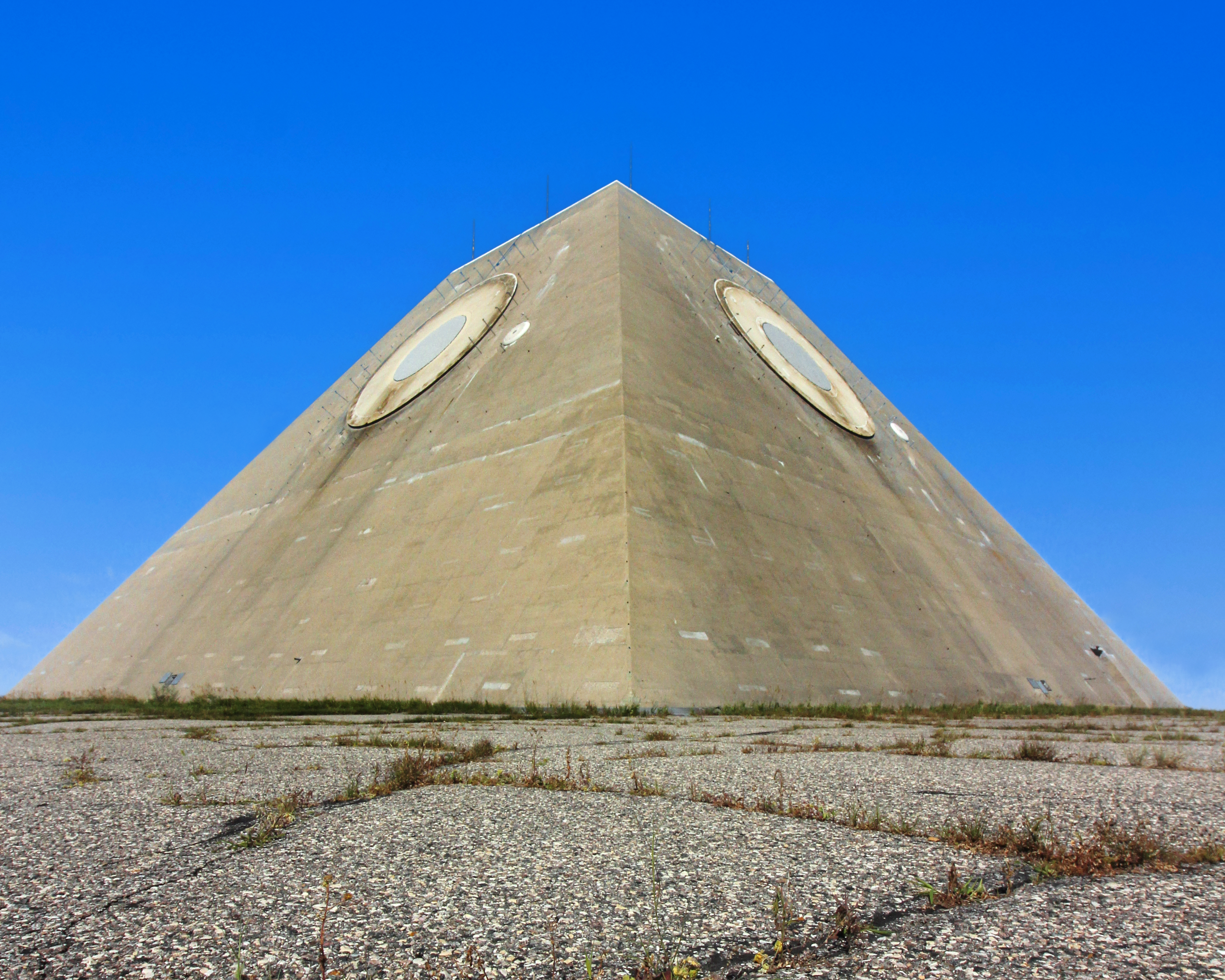
The $6 billion missile facility that was decommissioned after six months
Commencing operations in April 1975, the Stanley R Mickelsen Safeguard Complex was part of the US Army’s Safeguard Program, an anti-ballistic missile system. The complex, spanning six sites, was located in the area surrounding the town of Nekoma in North Dakota and incorporated thirty LIM-49 Spartan and seventy shorter range Sprint silo-based anti-ballistic missiles. Armed with nuclear warheads, the facility’s missiles were designed to intercept incoming missiles of foreign origins. The facility was constructed at a cost of costing $6 billion – equivalent to $35.06 billion in 2024. The site achieved initial operating capability on 1 April 1975 and was deactivated in April 1976 after the United States Congress deemed it ineffective. It was decommissioned after only six months of full operational capacity,
The boom and bust of Jeffery City, population 23
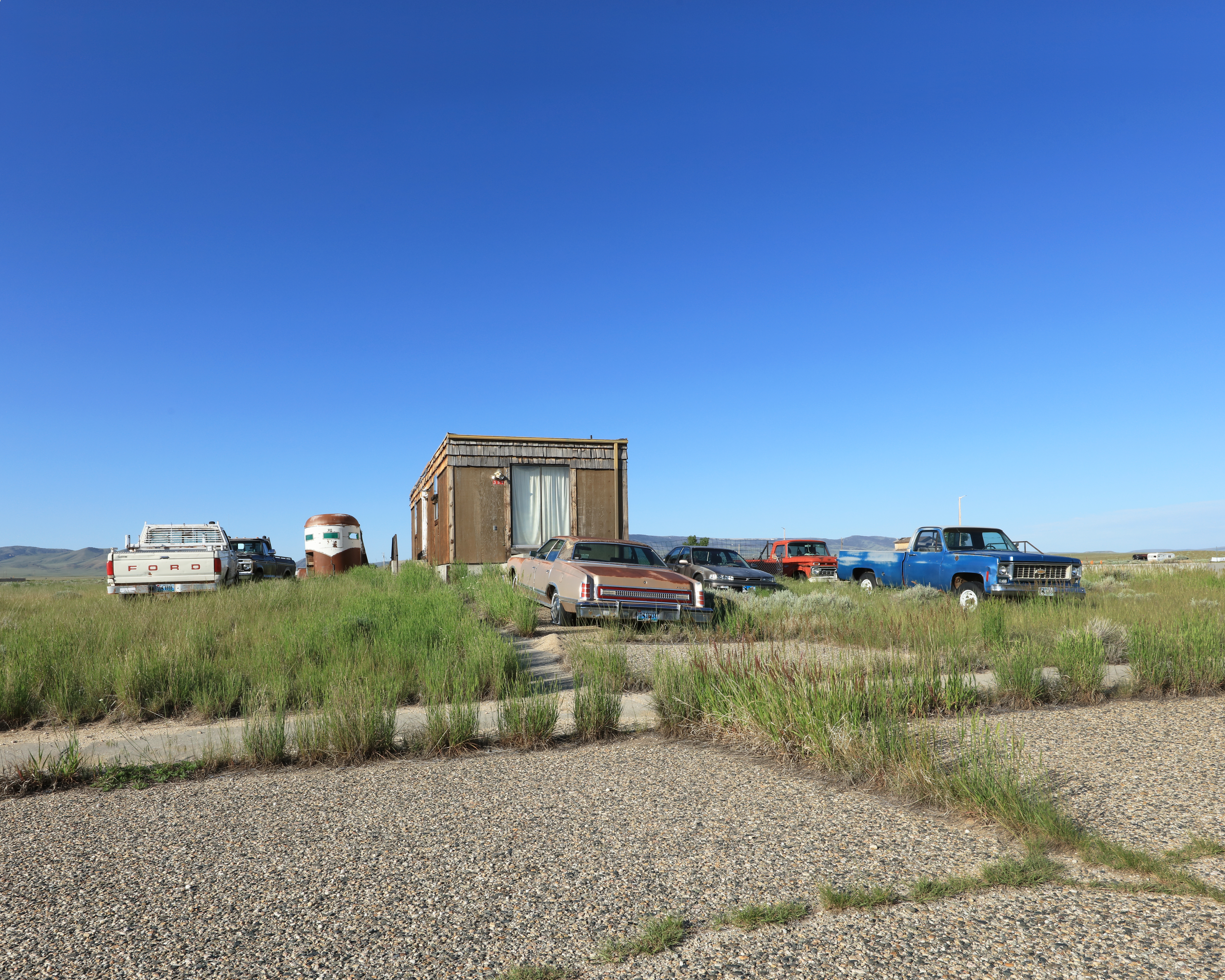
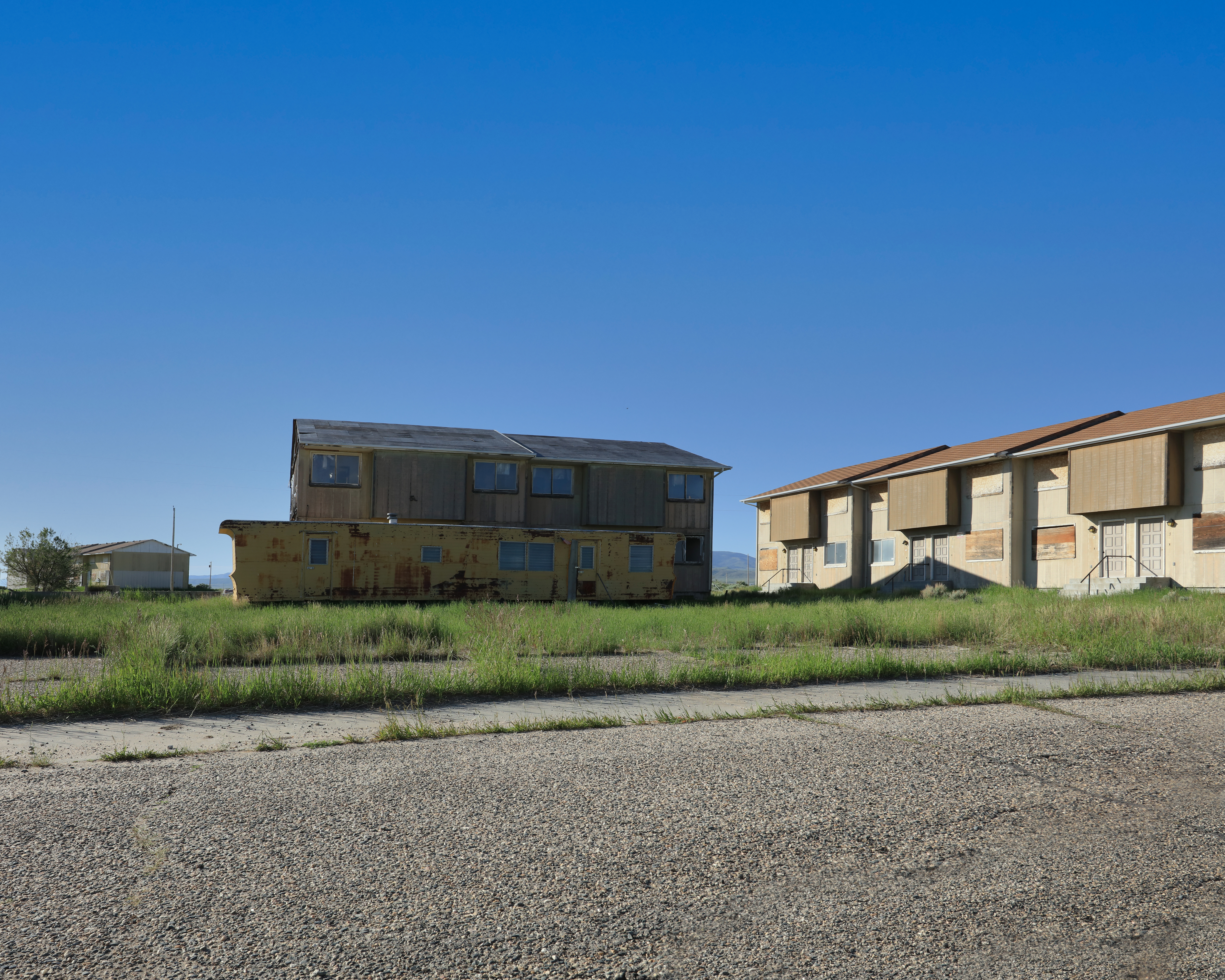
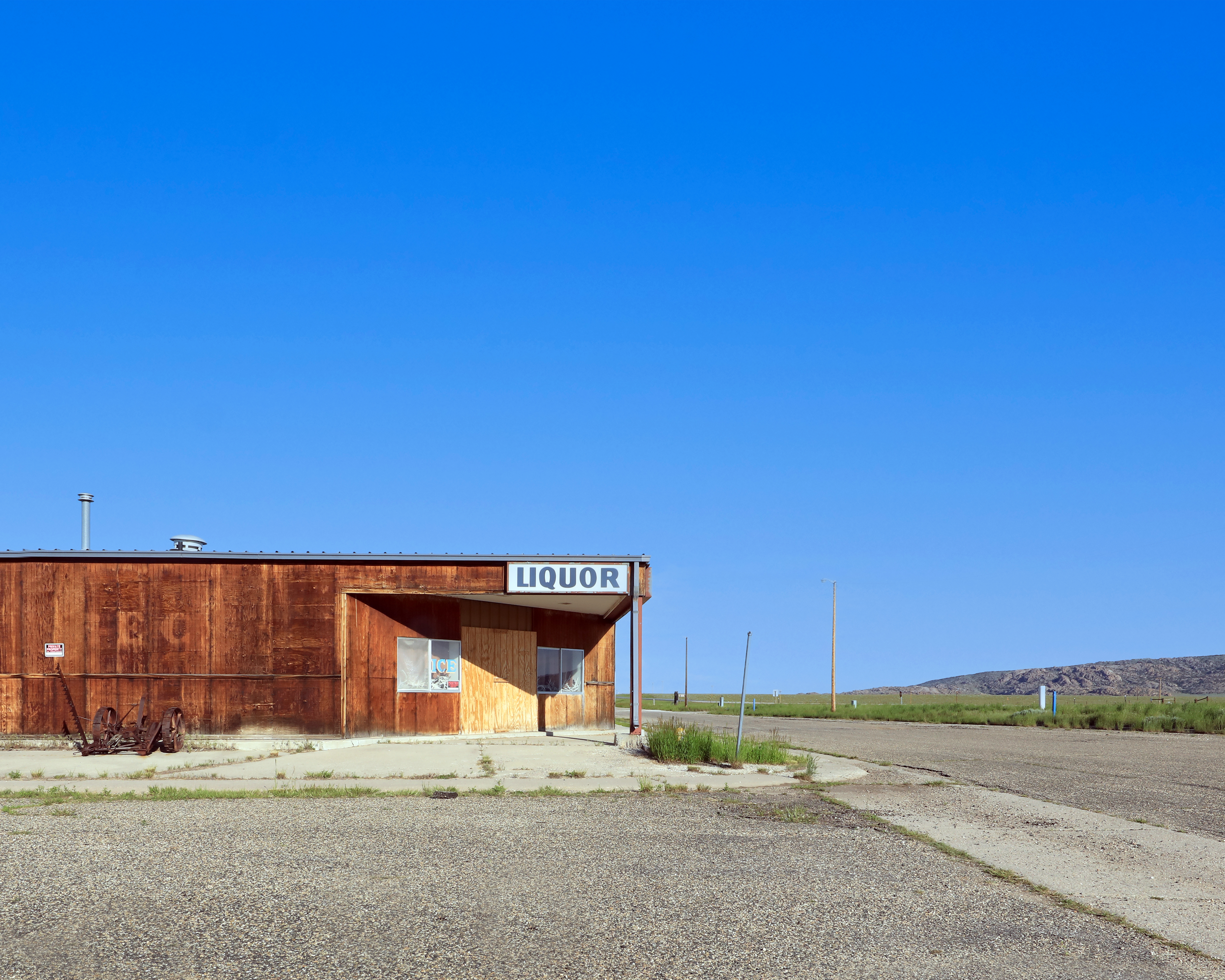
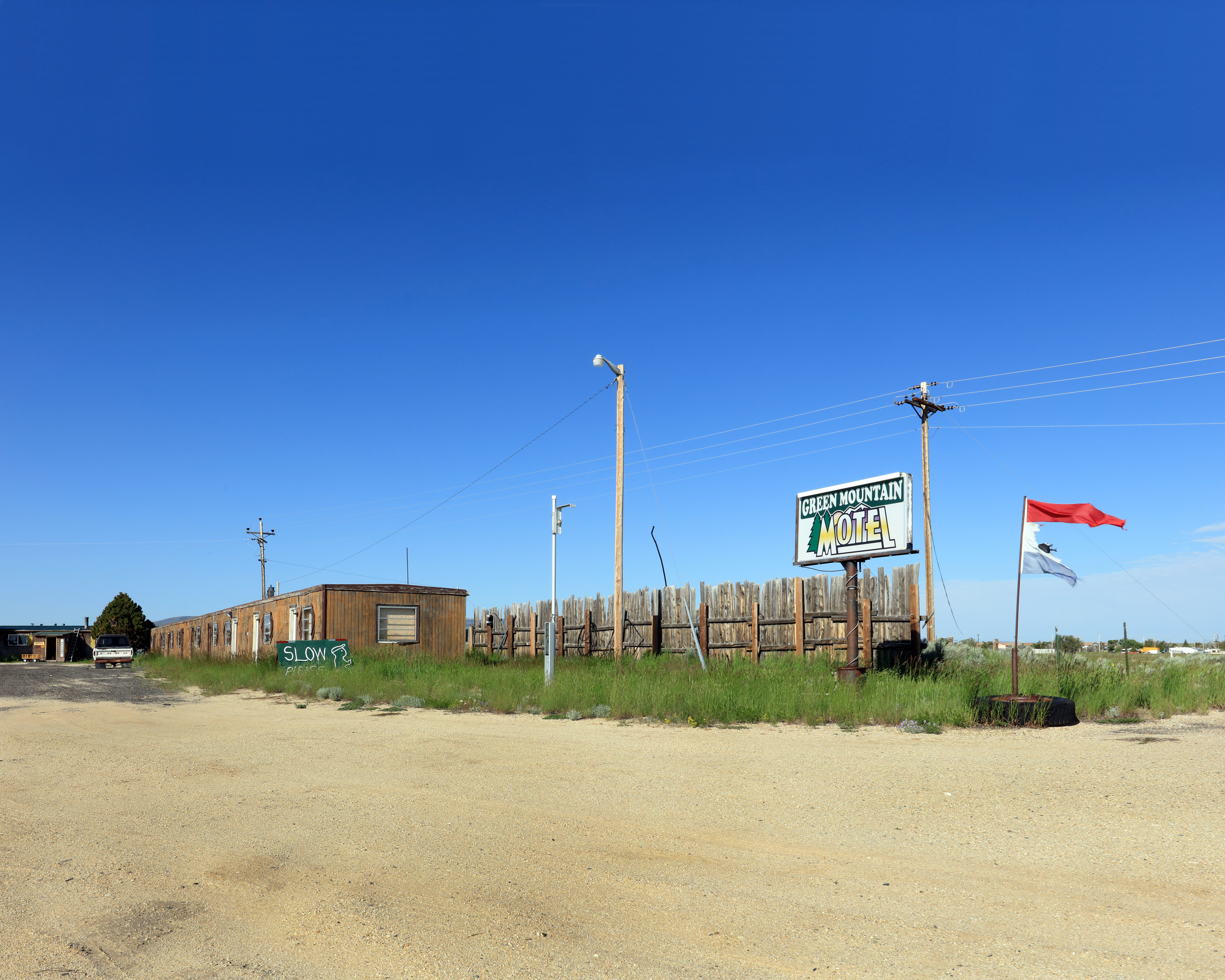
In 1957, during the height of the Cold War, the Western Nuclear Corporation opened a uranium mine in Fremont County, Wyoming. In attracting thousands of workers to the area, the company designed and financed a company town, Jeffery City, for their employees and their families. Home to over 6000 people during its heyday, the town included shops, schools, churches, medical clinics, a library, a sheriff department, and a youth hostel. With the collapse of the uranium market in 1982 due to reduced demand in the wake of the Three Mile Island accident and an oversupply of ore, the mine was forced to close. Within three years of the mine’s closure, over 95% of the town’s population had left with a recent census putting Jeffery City’s current population at 23.
When Westinghouse started smashing atoms to get a reaction
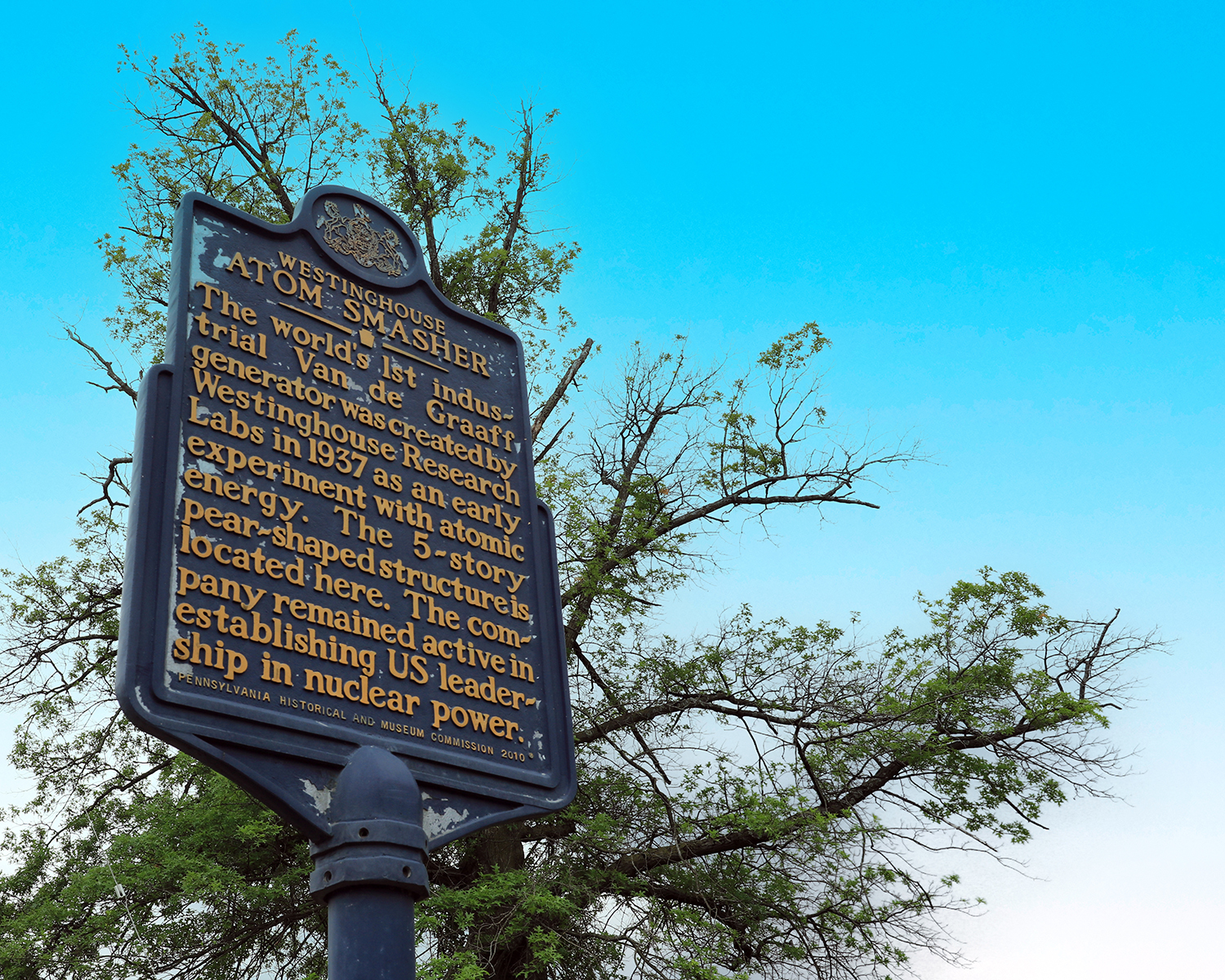
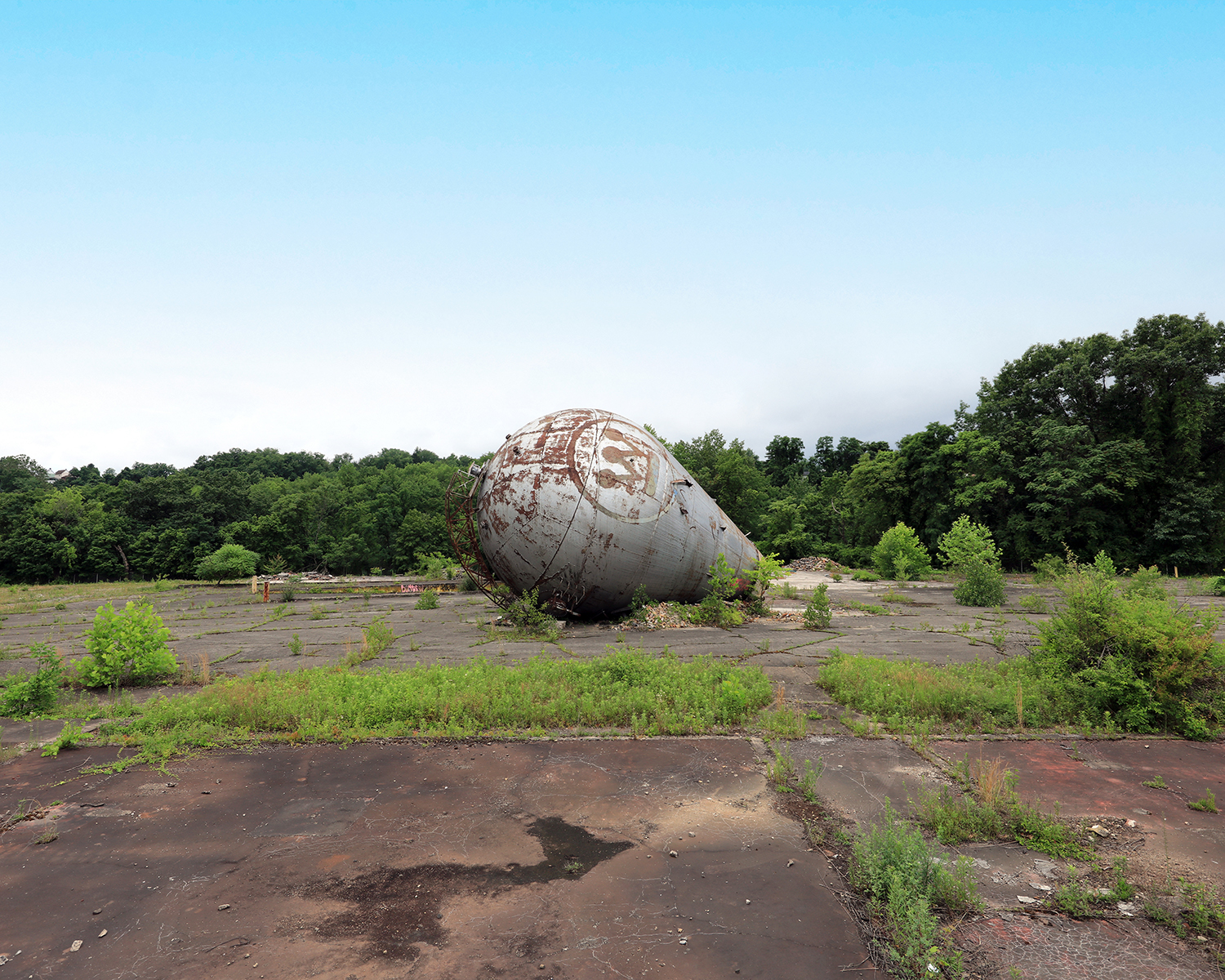
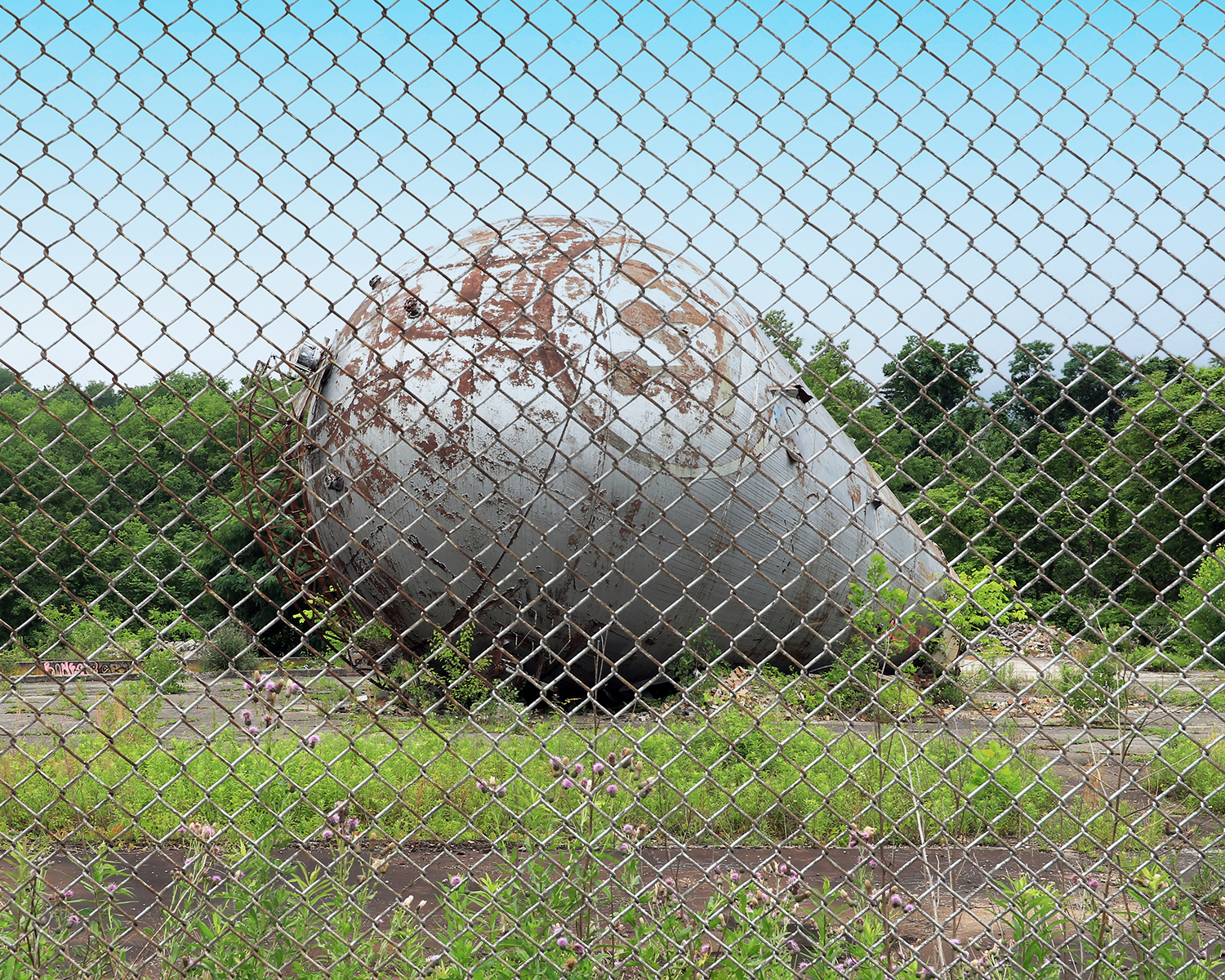
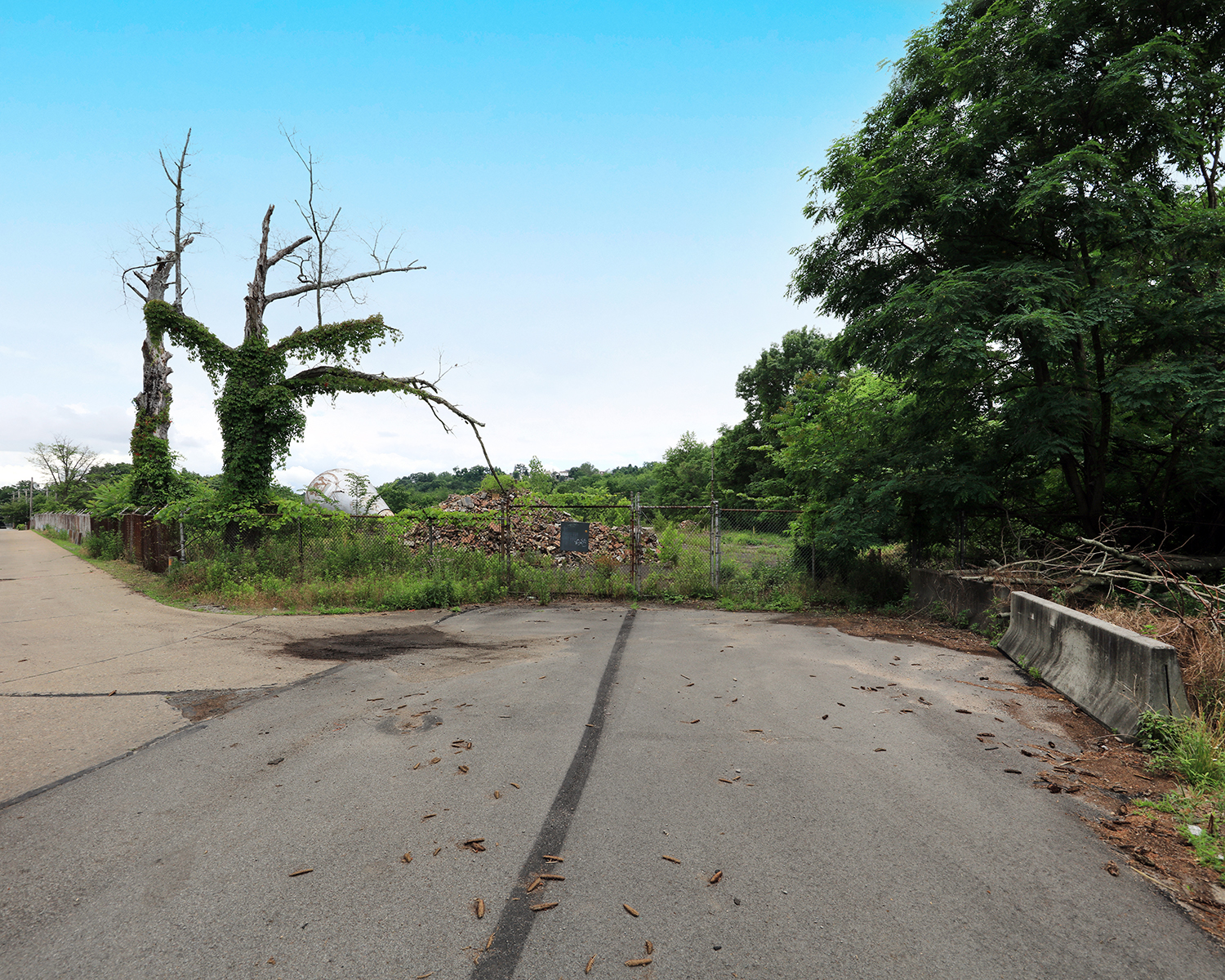
Westinghouse Electric Corporation’s van de Graaff generator was the world’s first large-scale industrial nuclear physics program. Westinghouse made the decision to build the generator in 1936, three years before the discovery of nuclear fission opened up the possibilities of nuclear power. Brought online in 1937, the Westinghouse Atom Smasher was a 5-million-volt Van de Graaff electrostatic particle accelerator designed to make precise measurements of nuclear reactions for the research of nuclear power. The nuclear accelerator was located at the company’s research laboratories in Pittsburgh, Pennsylvania. The Atom Smasher was the largest of its type in the world, creating nuclear reactions by bombarding target atoms with a beam of high-energy particles. In 1940 the instrument was used to discover the photofission of both uranium and thorium. The facility was decommissioned in 1958 and has since been in a slow demise. In 2015, the 65-foot-tall pear-shaped Atom Smasher, one of the last remaining artifacts, was dislodged from its supporting tower and now lays solemnly on its side surrounded by the encroaching forest.
The world’s first nuclear reactor was built in a squash court
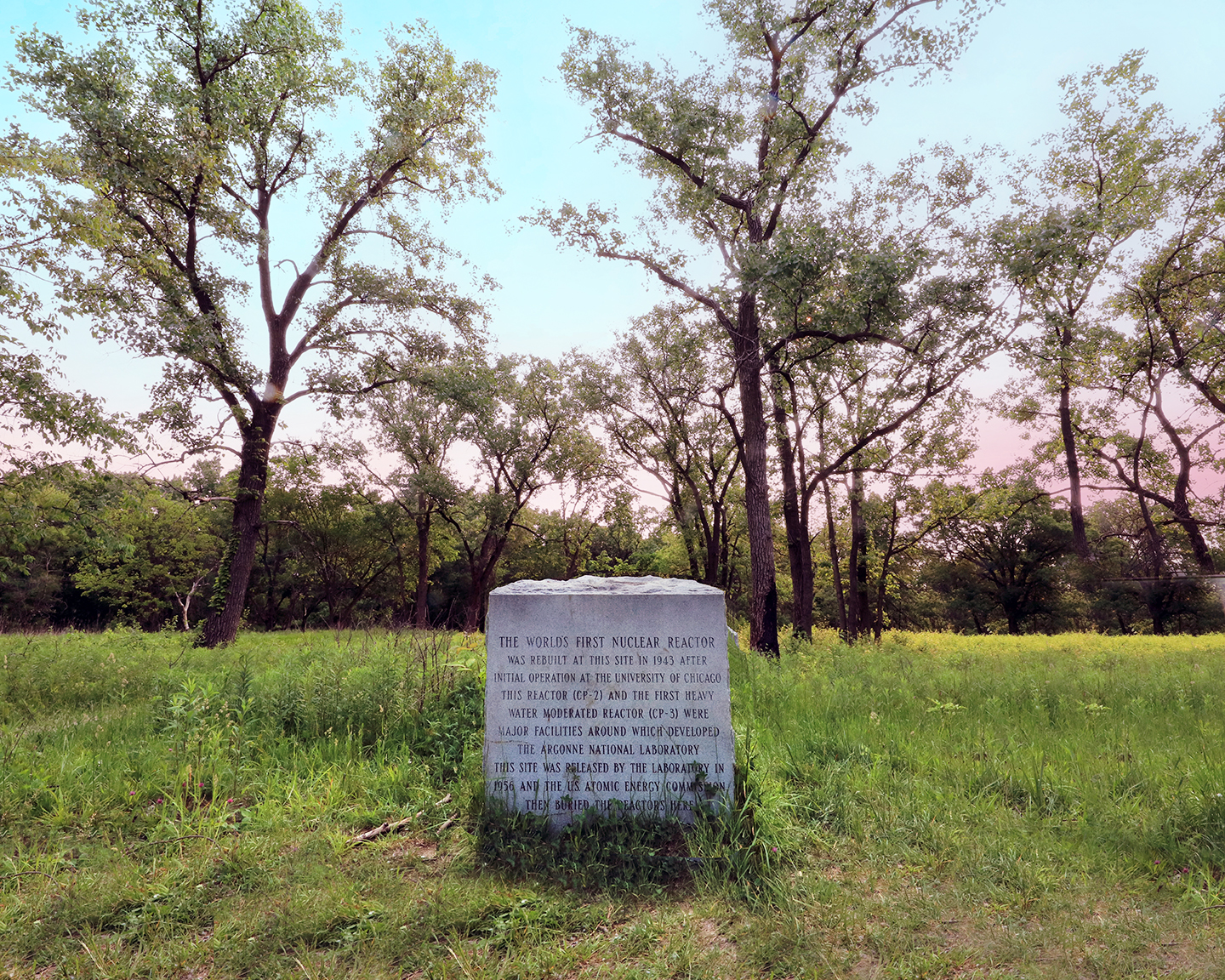
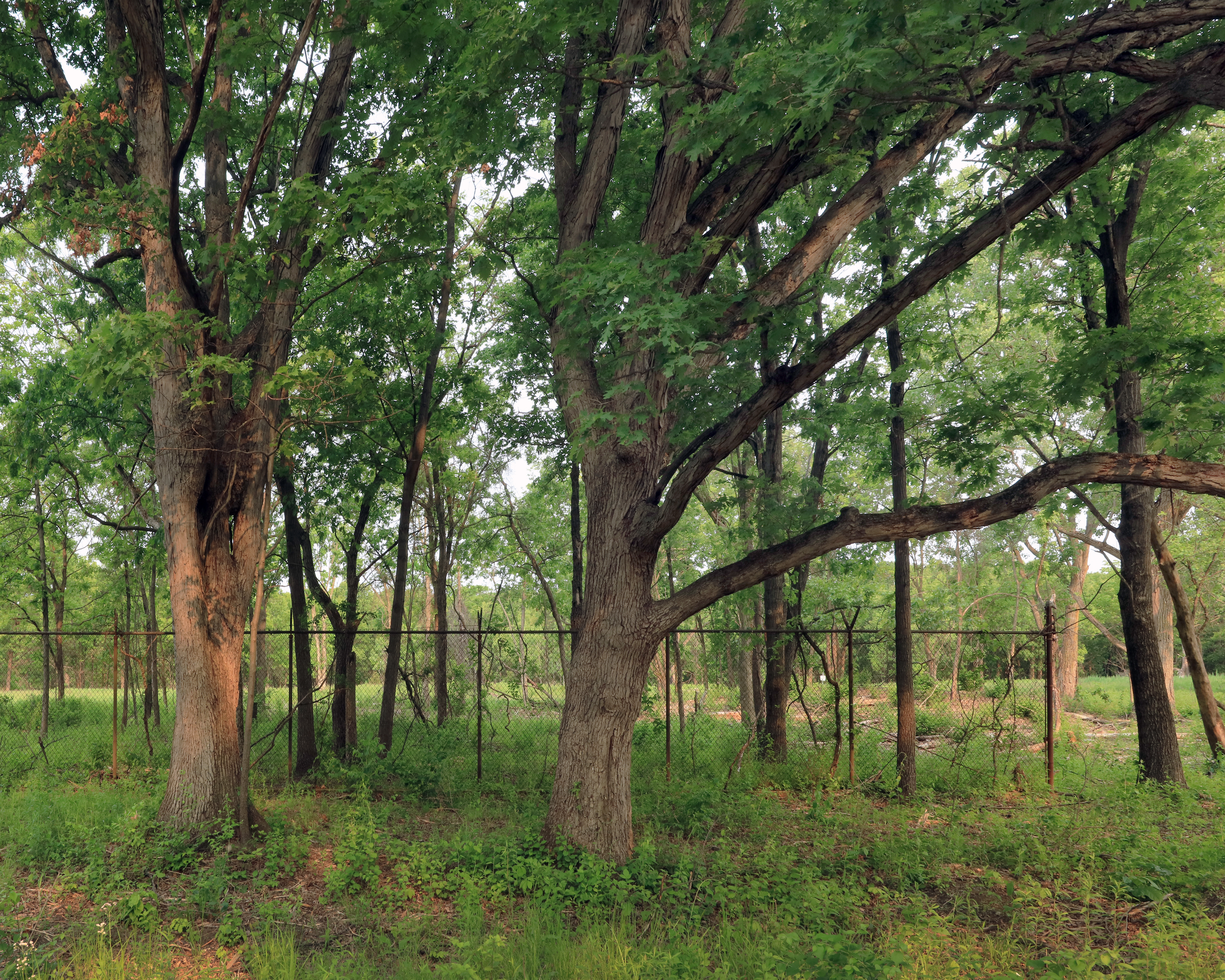
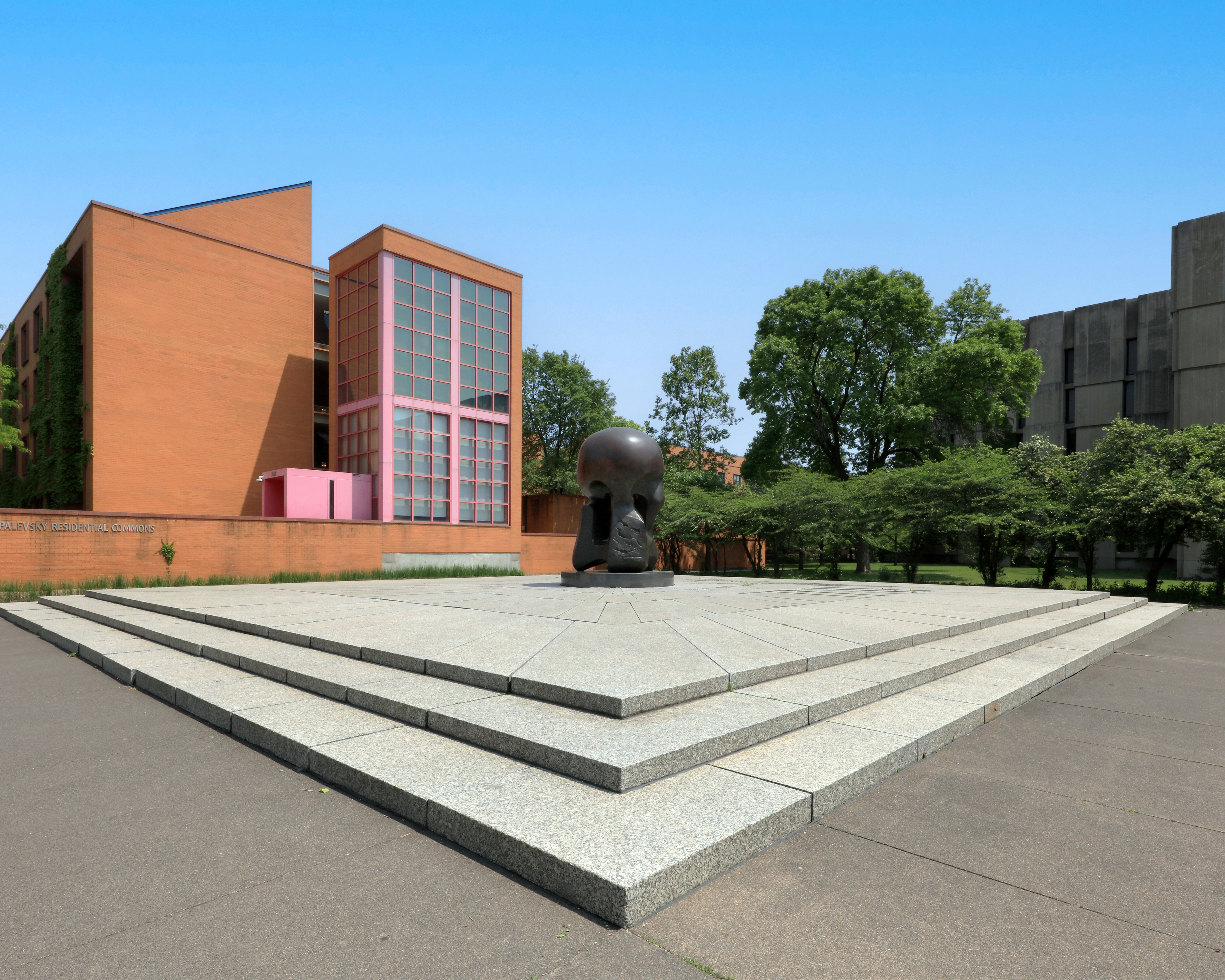
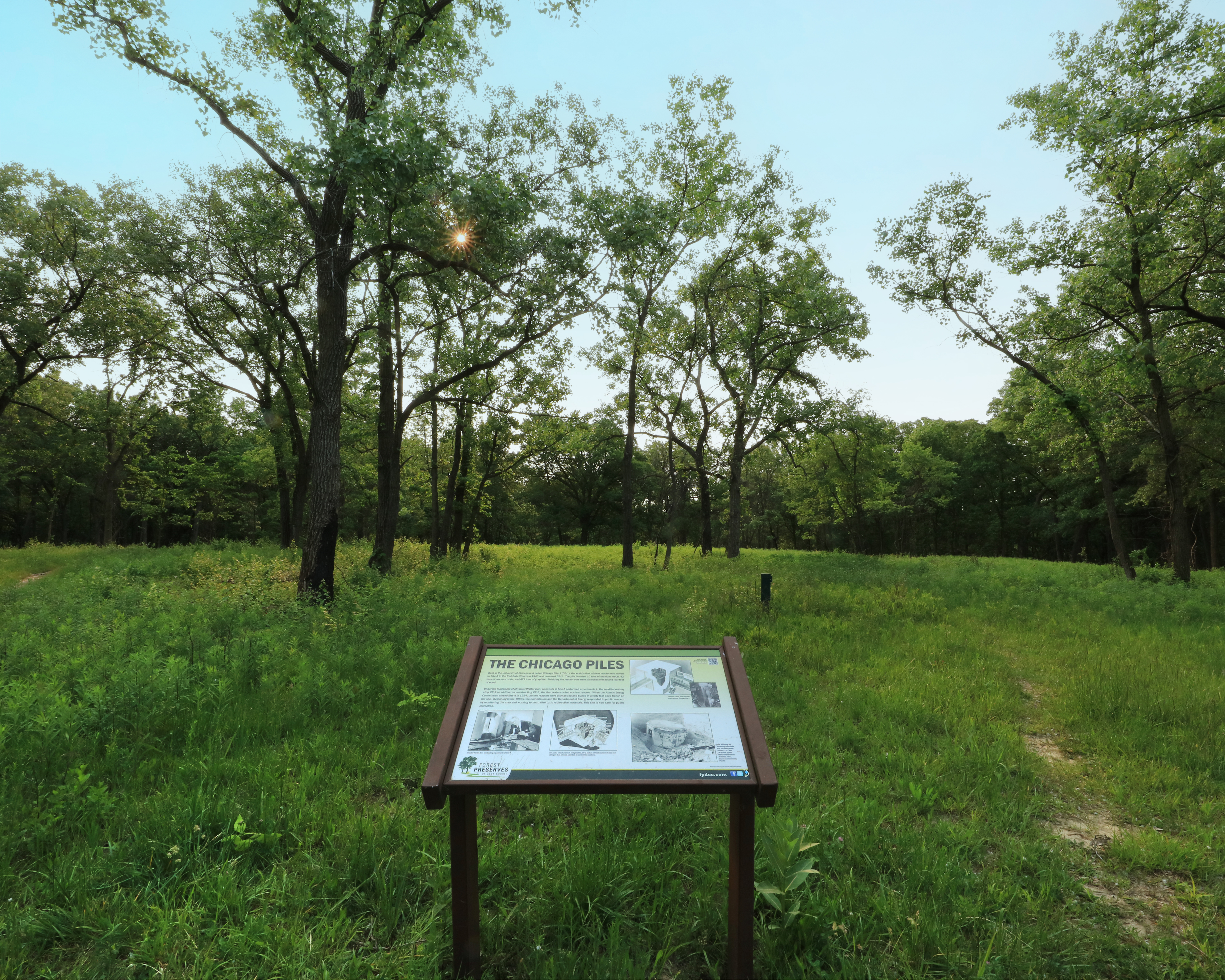
On 2 December 1942, the first human-made self-sustaining nuclear chain reaction was initiated in the Chicago Pile-1 during an experiment led by Enrico Fermi. The development of the reactor was undertaken in complete secrecy and was the first major technical breakthrough for the Manhattan Project, The Chicago Pile-1 was built under the bleachers of the University of Chicago’s Stagg Field in a former racket ball turned squash court. The reactor was assembled in November 1942 and used natural uranium and thus requiring a large amount of material in order to reach criticality. The reactor contained 45,000 ultra-pure graphite blocks weighing 330 tonnes and was fueled by 4.9 tonnes of uranium metal and 41 tonnes of uranium oxide. It had no radiation shielding or cooling system. Operation continued until 28 February 1943 when the reactor was dismantled and moved to Site A in the Argonne Forest. Chicago Pile-1 gave rise to two subsequent reactors, Chicago Pile–2 and 3, before being decommissioned on 15 May 1954. The reactors were subsequently encased in concrete and buried in a 40-foot-deep trench in what is now known as the Site A/Plot M Disposal Site. The burial site is marked by a commemorative boulder while the original University of Chicago location is commemorated by a commissioned Henry Moore sculpture, title Nuclear Energy.
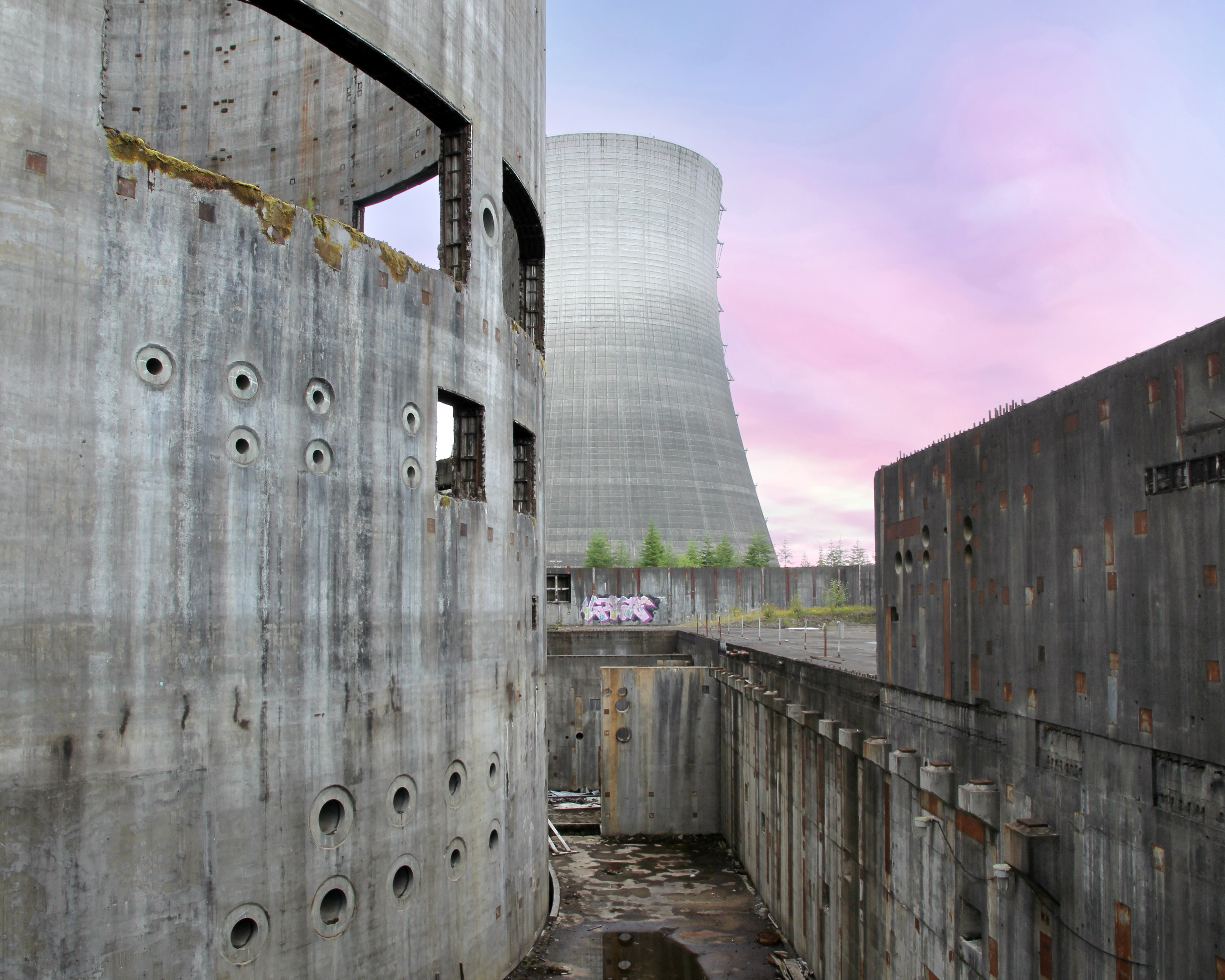
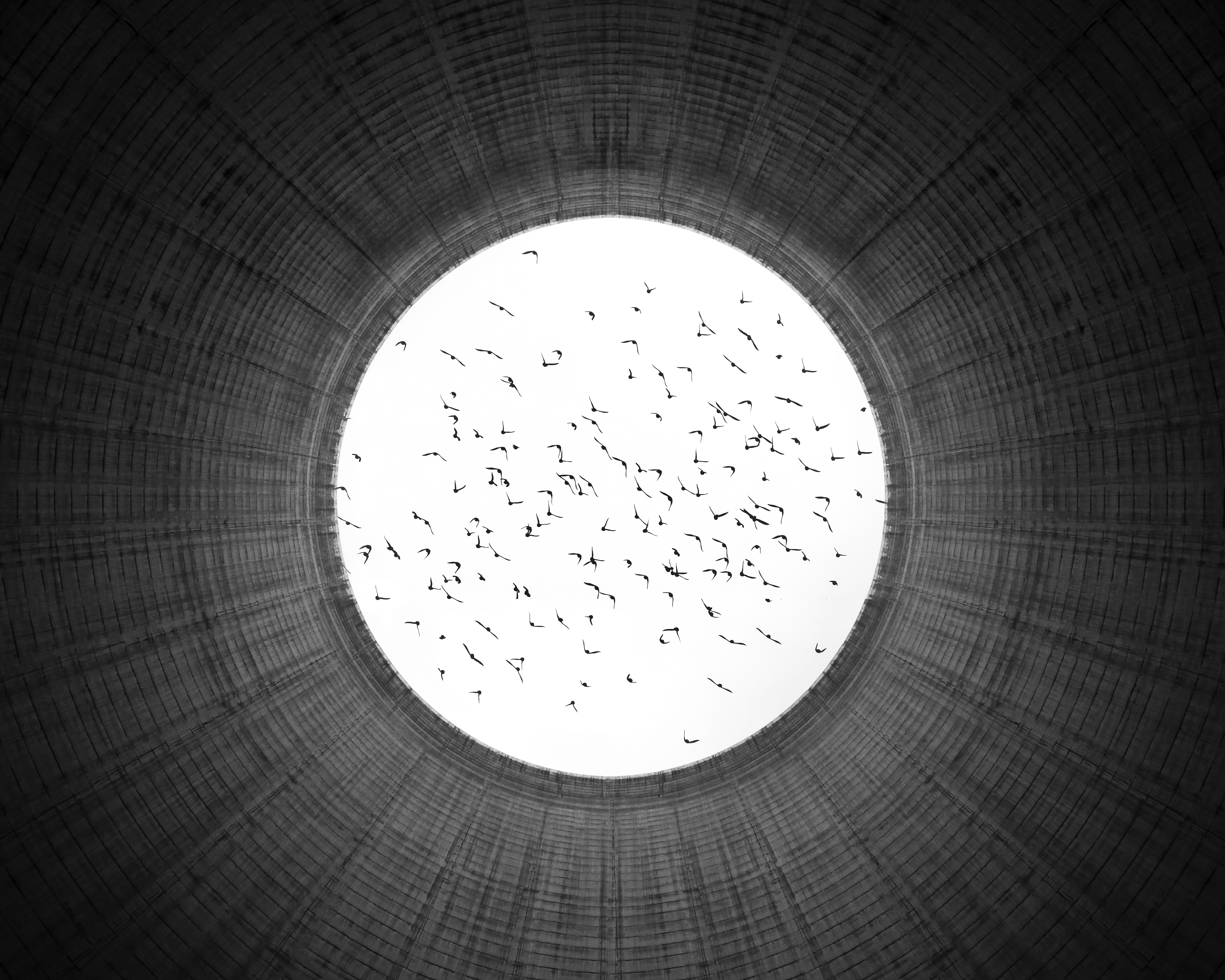

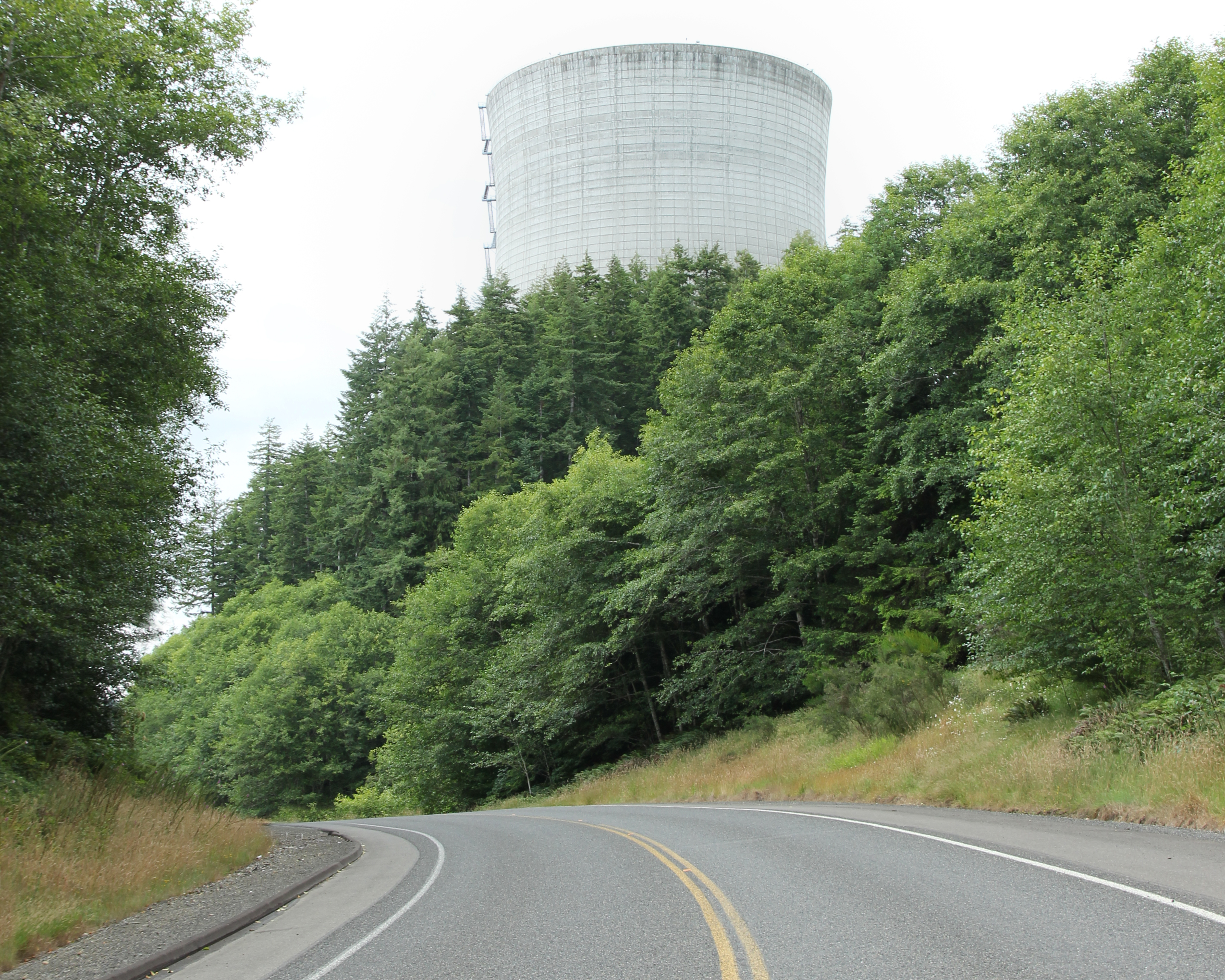
The nuclear power station that never was
Located in Elma, Washington, the Satsop Nuclear Power Plant contained two (WNP-3 and WNP-5) of the five nuclear power plants the Washington Public Power Supply System (WPPSS) started constructing to meet the Pacific Northwest’s future electricity demand. Funded by the WPPSS, the Satsop Nuclear Power Plant was designed to house two earthquake-resistant 1250-megawatt pressurized water reactors. Construction commenced in 1977 but, after the WPPSS defaulted on almost $1 billion worth of municipal bonds sold to finance the project (which was one of the largest defaults of its type in U.S. history) construction ground to a halt. Costs for the program had skyrocketed from US$4.1 billion to US$24 billion and when the WPPSS failed to sell sufficient bonds to fund the project, work on WNP-3 was paused when nearly 76 percent complete while construction of WNP-5 was terminated. WNP-3 was mothballed pending further funding, but the project was ultimately abandoned in 1994.
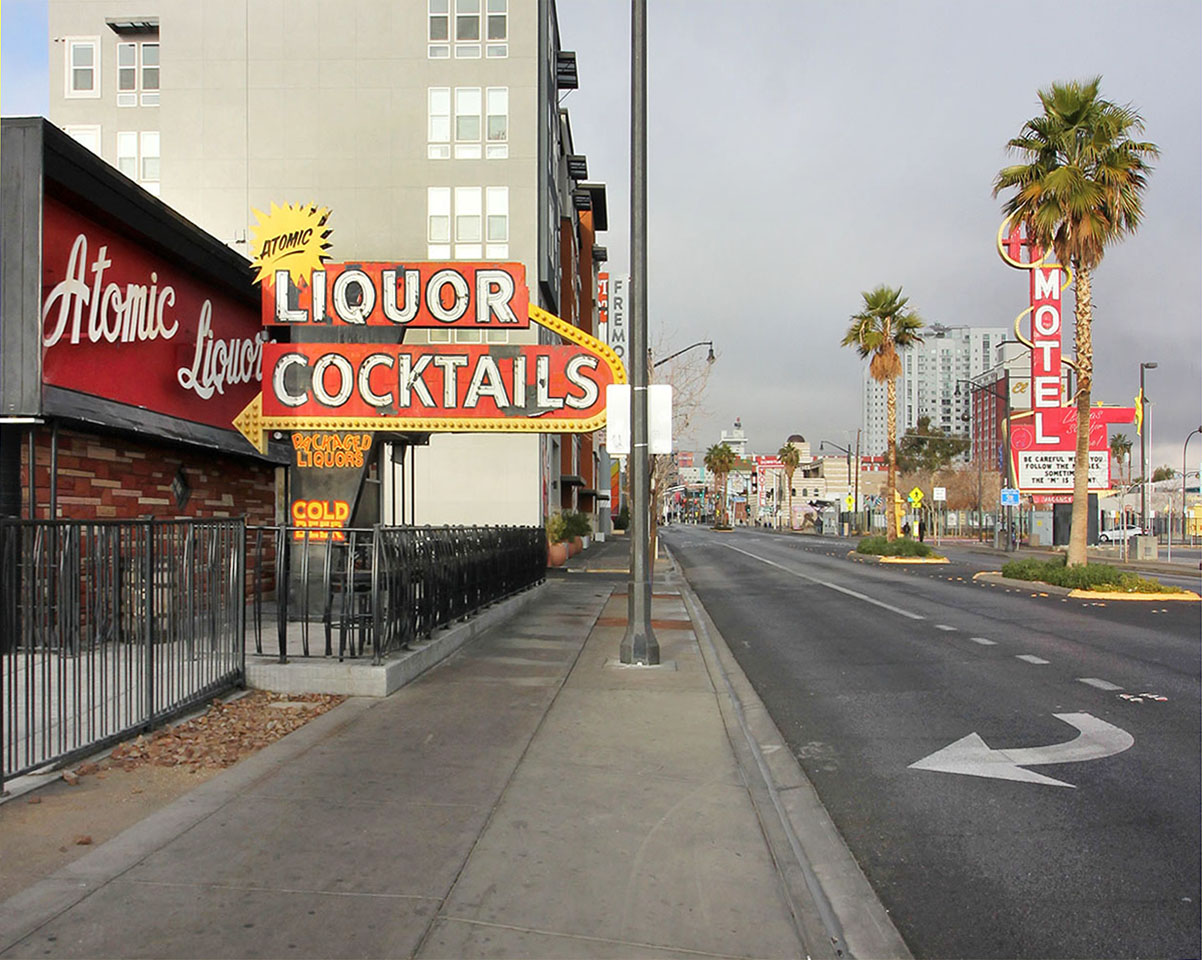

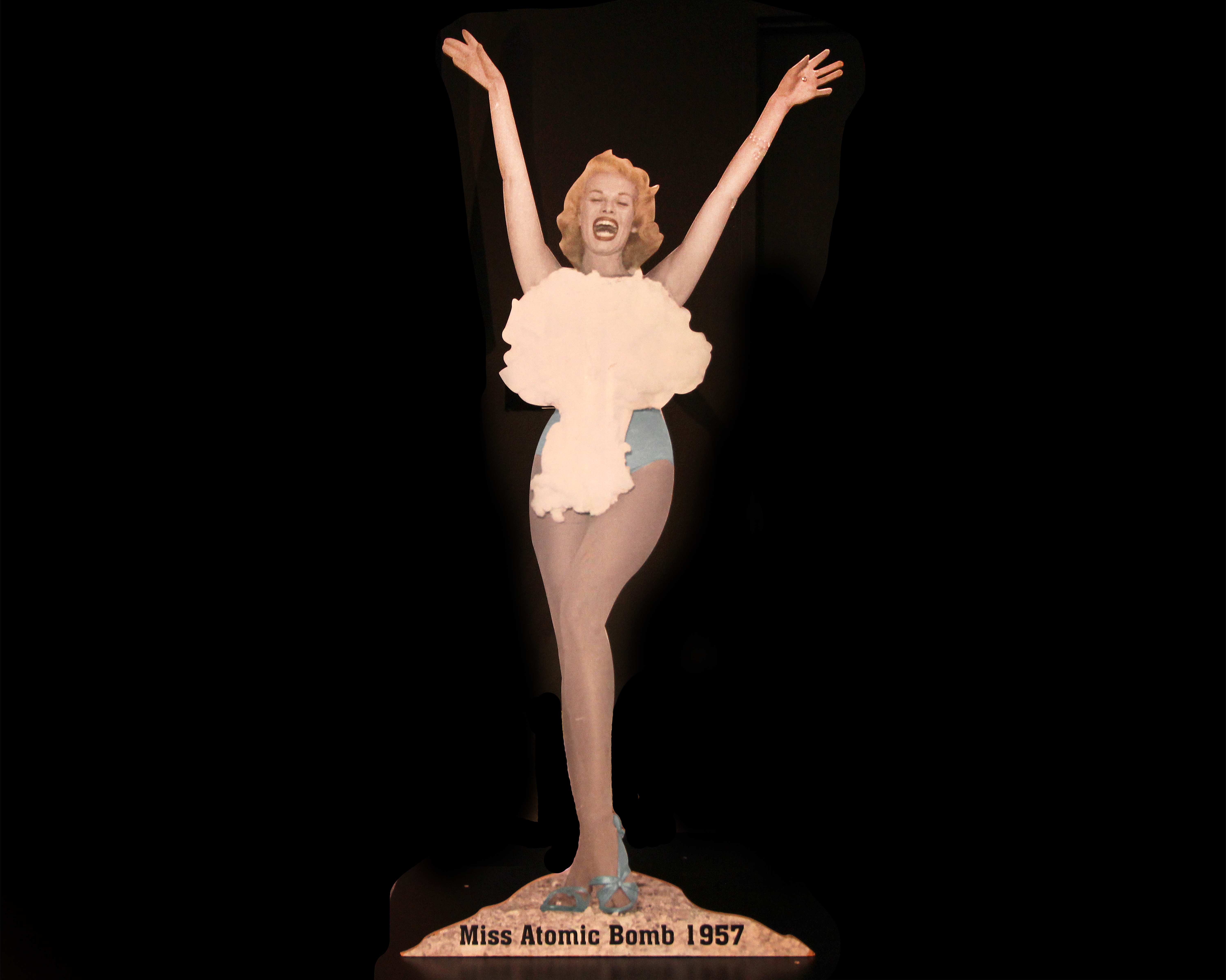
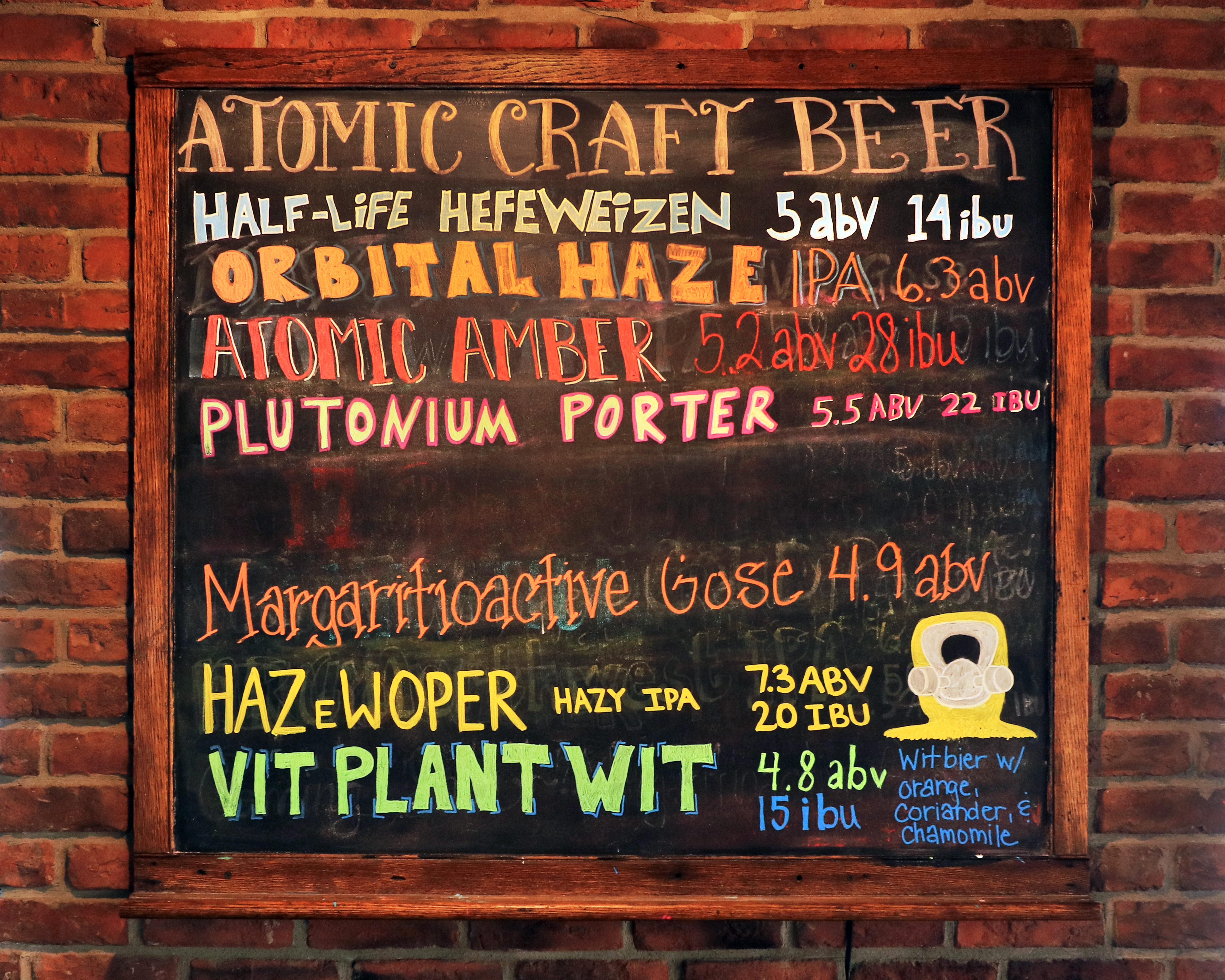
How atomic beauty pageants and radioactive dinner plates fueled a boom in atomic culture
At the height of the nation’s excitement about atomic energy, Las Vegas, Nevada capitalized upon its proximity to the Nevada Test Site by actively promoting atomic tourism. From 1952 to1955 the city staged an annual Miss Atomic Pageant while tourists and locals would gather at casinos, rooftops, and even on nearby hills to watch the atmospheric atomic bomb tests. Casinos and hotels would host parties leading up to the scheduled test times, with guests drinking and socializing until the blast illuminated the sky. As test ban treaties and the realization of the inherent dangers associated with nuclear testings came to the fore, it all faded from prominence. But it hasn’t disappeared completely. Atomic Liquors on East Fremont Street remains Las Vegas’ oldest freestanding bar while Atomic Ale Brewpub & Eatery in Richland, Washington, located next to the Hanford Site, has followed Los Vegas’ lead by serving up a range of atomic themed craft beers. Uranium glass, which has had uranium added to its matrix before melting for colorization, is still highly collectable and a staple of many antique stores.. Uranium glass was made into tableware and household items, but fell out of widespread use when the availability of uranium to most industries was sharply curtailed during the Cold War in the 1940s to 1990s, with the vast majority of the world’s uranium supply being utilized as a strategic material for use in nuclear weapons or nuclear power. Some 20th-century pieces were made with as much as 25% uranium.
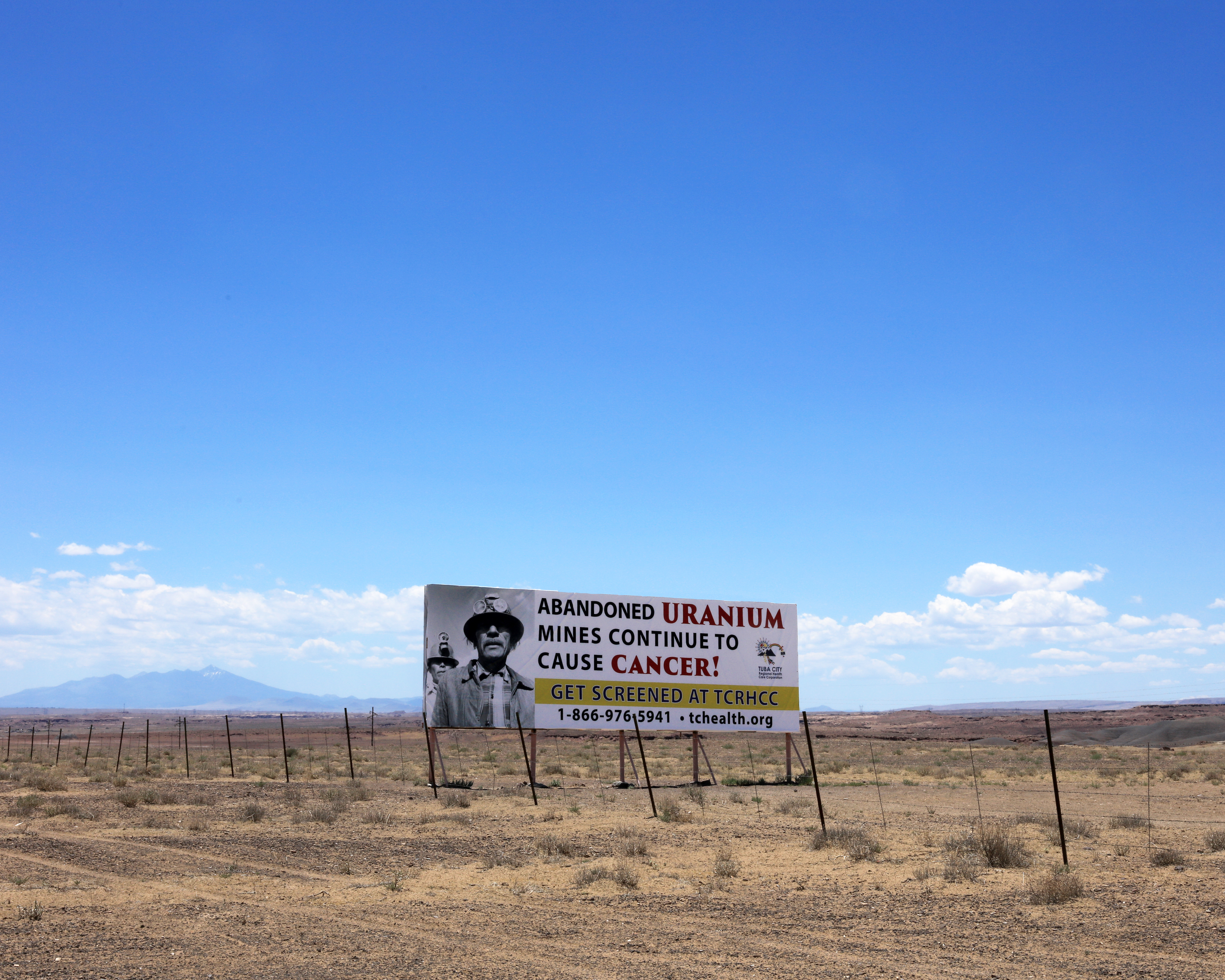
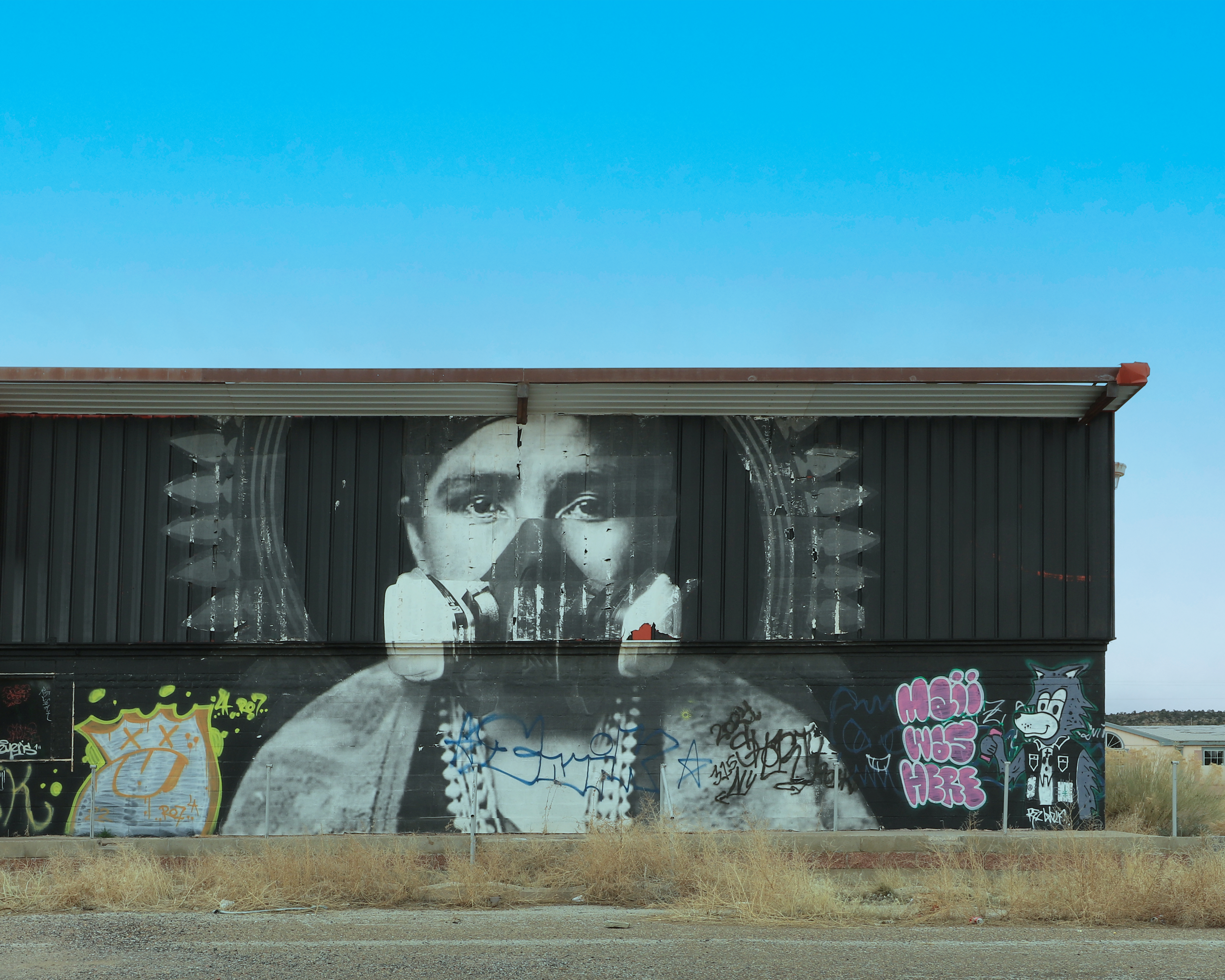

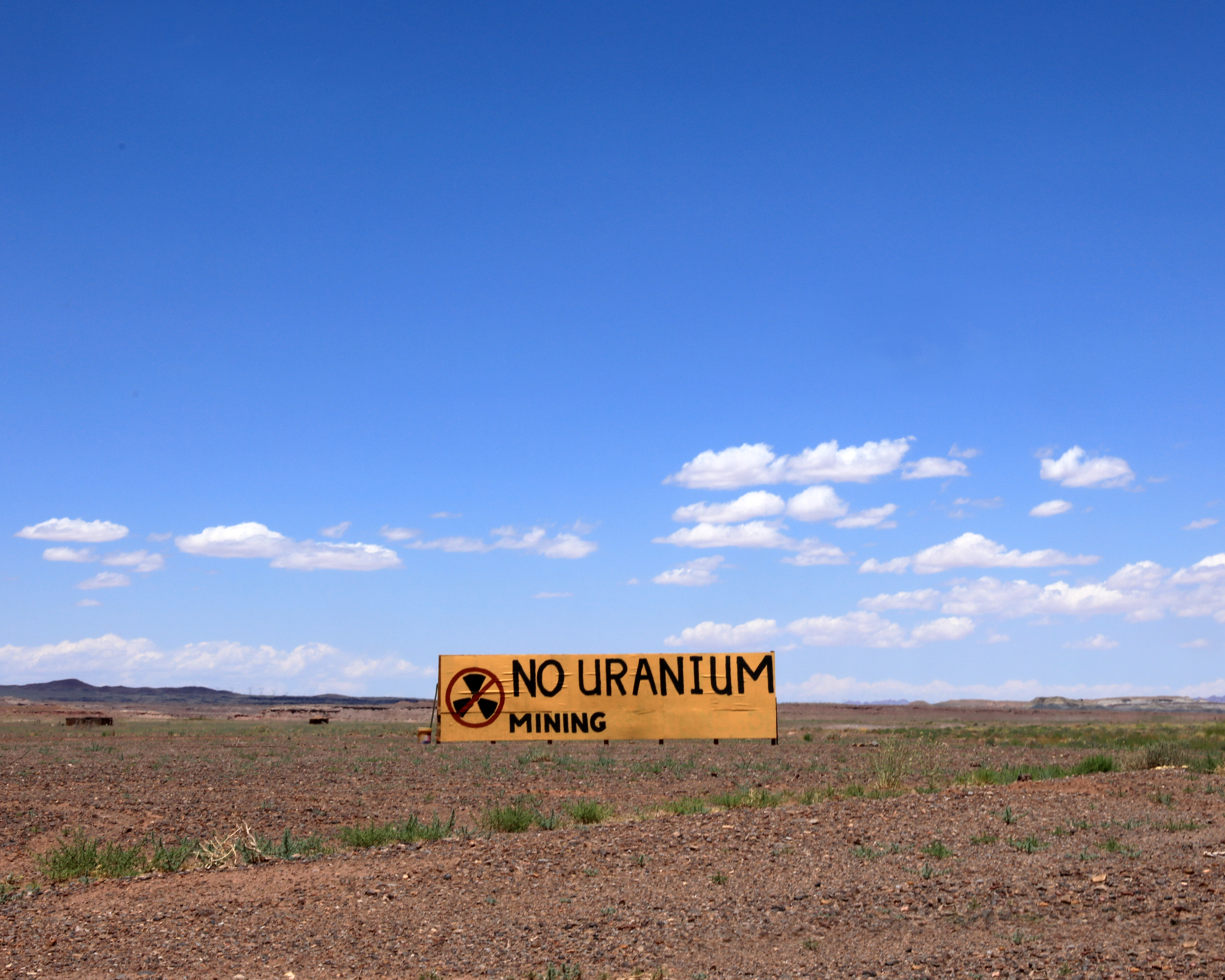
The Navajo Nation’s legacy of radioactive pollution
Uranium mining on the Navajo Nation began in the 1940s and has left a legacy of environmental and health issues. From 1944 to 1986, the US government extracted millions of tons of uranium ore from Navajo lands, often using local workers without fully disclosing the health risks. Situated in the midst of the United States’ uranium mining belt, the Navajo Nation experienced a boom in production as Cold War demand for the ore increased with many residents finding work in the mines. Prior to 1962, the risks of lung cancer due to uranium mining were unknown to the workers and the lack of a word for radiation in the Navajo language left the miners unaware of the associated health implications. The mining activity has resulted in over 500 abandoned and unremediated uranium mines along with contaminated water on the Navajo Nation currently averaging 90 micrograms per liter of uranium, with some areas reaching upwards of 700 micrograms per liter. The Painted Desert Project is a street art collaboration, instigated by doctor, photographer, activist and long-time reservation resident Chip Thomas that warns people of radioactive pollution across the region.
Submit Your Poem here …
Please include your name, contact details (email or cell phone), and your poem.
 NUCLEAR LANDSCAPES